

A mortise lock is one of the most secure and durable locking systems used in commercial buildings, hotels, offices, apartment projects, and high-end residential properties. Unlike standard cylindrical locks that fit into a simple round hole, a mortise lock is installed inside a deep pocket cut into the edge of the door, creating a stronger and more stable locking structure.
Because of its superior strength, long service life, and flexible function options, mortise locks are widely specified by architects, contractors, and door hardware distributors for commercial projects worldwide. They are commonly used together with lever handles, escutcheons, cylinders, and door closers in modern architectural hardware systems.
Understanding how a mortise lock works is important for selecting the right lock body, improving door security, ensuring fire-rated compliance, and maintaining long-term performance. In this guide, we will explain the internal mechanism of a mortise lock, its main components, working principles, installation methods, and why it remains one of the most trusted door locking systems in the industry.
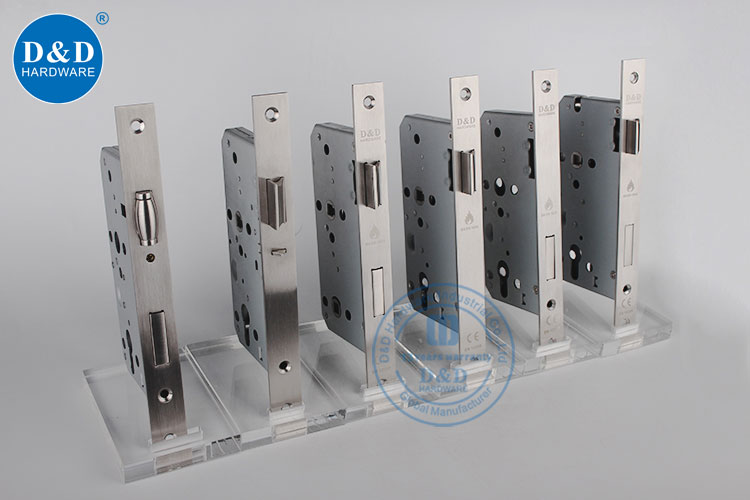
What Is a Mortise Lock?
A mortise lock is a lock body installed inside a rectangular cavity, called a mortise, that is cut into the edge of a door. The lock mechanism is hidden inside the door, while the visible parts usually include:
• Lever handles or knobs
• Cylinder
• Escutcheon plate
• Thumb turn
• Strike plate
Compared with tubular locks, mortise locks are larger, heavier, and more durable. They are especially suitable for high-traffic environments where doors are opened and closed thousands of times every day.
Commercial buildings often use mortise locks because they offer:
| Feature | Mortise Lock | Cylindrical Lock |
| Security Level | High | Medium |
| Durability | Excellent | Moderate |
| Repairability | Easy to service | Limited |
| Function Options | Many | Fewer |
| Commercial Use | Very common | Limited |
| Fire-Rated Compatibility | Excellent | Moderate |
A mortise lock is not just a lock. It is a complete locking system that integrates latching, deadlocking, handle operation, and cylinder security into one heavy-duty mechanism.
Main Components of a Mortise Lock
To understand how a mortise lock works, it is important to first understand its internal components. Although designs vary between manufacturers, most mortise locks contain several core parts working together.
Lock Body
The lock body is the central mechanism installed inside the door. It contains the latch bolt, deadbolt, springs, cams, and internal transmission parts.
The lock body determines the lock function, such as:
• Entrance function
• Classroom function
• Privacy function
• Storeroom function
• Passage function
High-quality mortise lock bodies are usually made from stainless steel or heavy-duty steel to withstand long-term commercial use.
Latch Bolt
The latch bolt is the spring-loaded component that keeps the door closed when it is shut. When the handle is pressed down, the latch retracts and allows the door to open.
Most mortise locks use anti-friction latch bolts for smoother operation and quieter closing.
Deadbolt
The deadbolt provides additional security by extending deeply into the strike plate. Unlike the latch bolt, the deadbolt does not retract automatically when the handle is turned.
The deadbolt is typically operated using:
• Key cylinder
• Thumb turn
• Electronic access system
When locked, the deadbolt significantly increases resistance against forced entry.
Cylinder
The cylinder is the keyed component that controls the locking and unlocking action. When the correct key is inserted and turned, the cylinder rotates an internal cam that activates the lock mechanism.
Commercial mortise locks often use interchangeable cylinders for easier maintenance and key management.
Spindle and Handle Mechanism
The spindle connects the lever handles through the lock body. When the handle rotates, the spindle retracts the latch bolt.
This mechanism allows smooth door operation from one or both sides depending on the lock function.
Strike Plate
The strike plate is mounted on the door frame. It receives the latch bolt and deadbolt when the door closes.
A reinforced strike plate improves overall door security and helps distribute impact forces more effectively.
How Does a Mortise Lock Actually Work?
The operation of a mortise lock involves several internal components moving together in a coordinated mechanical process. Although modern mortise locks may include electronic access control systems, the basic working principle remains largely mechanical.
Step 1: Door Closing
When the door closes, the angled surface of the latch bolt contacts the strike plate. Pressure forces the latch bolt inward temporarily.
Once aligned with the strike opening, the latch springs back outward into the strike plate opening. This action keeps the door securely closed.
At this stage:
• The latch bolt holds the door shut
• The handle can still retract the latch
• The deadbolt may or may not be engaged
The door is closed but not fully locked unless the deadbolt is activated.
Step 2: Handle Operation
When someone presses the lever handle, the spindle rotates inside the mortise lock body.
This rotational movement activates internal levers and retracts the latch bolt into the lock case. Once the latch clears the strike plate, the door can open.
After the handle is released, internal springs return:
• The handle to its horizontal position
• The latch bolt to its extended position
This automatic resetting is essential for smooth daily operation.
Step 3: Key Operation
When the user inserts and turns the key, the cylinder cam rotates inside the lock body.
Depending on the lock function, this rotation may:
• Extend the deadbolt
• Retract the deadbolt
• Disable exterior handle operation
• Activate or deactivate locking mode
The deadbolt usually extends farther into the strike plate than the latch bolt, creating stronger resistance against forced entry.
Step 4: Deadlocking Function
Many commercial mortise locks include a deadlocking feature. When the deadbolt is fully extended, the latch mechanism becomes locked internally.
This means:
• The latch cannot be pushed back using tools
• Credit card bypass techniques become ineffective
• Forced retraction is significantly more difficult
Deadlocking improves security performance for commercial and institutional buildings.
Different Mortise Lock Functions Explained
One reason mortise locks are widely used in commercial projects is their flexibility. The same mortise lock body design can support many operational functions.
Entrance Function
This is one of the most common mortise lock configurations.
• Exterior lever can be locked or unlocked using a key
• Interior lever always allows free exit
• Suitable for offices, apartment entrances, and commercial doors
Storeroom Function
In this function:
• Exterior lever remains locked at all times
• Entry requires a key every time
• Interior lever always allows free exit
Storeroom mortise locks are common in warehouses and restricted access areas.
Classroom Function
Frequently used in schools and educational facilities.
• Exterior lever can be locked or unlocked by key
• Interior lever remains free for emergency exit
• Designed for controlled security without blocking egress
Privacy Function
Typically used for bathrooms or private rooms.
• Interior thumb turn controls locking
• Emergency release possible from outside
• No keyed security required
Passage Function
Passage mortise locks do not include active locking.
• Both handles remain free at all times
• Used for hallways and interior passage doors
The versatility of mortise locks makes them ideal for large projects requiring different door functions while maintaining consistent hardware aesthetics.
Why Mortise Locks Are Considered More Secure
Mortise locks are generally considered stronger than cylindrical locks because of their construction and installation method.
The lock body fits deeply inside the door, distributing force across a larger area. This reduces the risk of lock failure during impact or forced entry attempts.
Several features contribute to their superior security:
| Security Feature | Benefit |
| Deep lock body installation | Improved structural strength |
| Heavy-duty latch mechanism | Better wear resistance |
| Large deadbolt projection | Increased forced-entry resistance |
| Reinforced strike plate | Stronger frame protection |
| Commercial-grade materials | Longer lifespan |
In addition, many mortise locks meet strict commercial standards such as:
• ANSI Grade 1
• UL fire-rated requirements
• Commercial fire door regulations
High-quality mortise locks are frequently used in:
• Hotels
• Hospitals
• Government buildings
• Airports
• Luxury apartments
• Office towers
Mortise Lock Installation Process
Installing a mortise lock is more complex than installing a standard tubular lock because the door requires a deep rectangular pocket.
Professional installation is highly recommended for commercial projects.
Door Preparation
The installer first cuts a mortise cavity into the edge of the door using routing or mortising equipment.
Accuracy is critical because improper alignment may affect:
• Latch operation
• Handle movement
• Cylinder positioning
• Door closing performance
Lock Body Installation
The mortise lock body is inserted into the prepared cavity and secured using screws.
The installer must verify:
• Proper backset alignment
• Correct spindle positioning
• Smooth latch movement
Cylinder and Trim Installation
After the lock body is secured:
• Cylinder is installed
• Lever handles are mounted
• Escutcheons are attached
• Thumb turn is installed if needed
All components must align correctly with the internal mechanism.
Strike Plate Alignment
The strike plate is mounted on the frame to match the latch and deadbolt positions precisely.
Improper strike alignment can cause:
• Difficult door closing
• Excessive latch wear
• Locking problems
• Noise during operation
Commercial installers often test the lock repeatedly before final adjustment.
Common Problems With Mortise Locks
Although mortise locks are extremely durable, problems can still occur after years of heavy use.
Worn Springs
Internal springs may weaken over time, causing:
• Sagging handles
• Slow latch retraction
• Incomplete handle return
Misaligned Strike Plate
Door settling or frame movement may cause alignment issues that affect smooth operation.
Symptoms include:
• Difficulty locking
• Latch sticking
• Door rubbing
Cylinder Wear
Frequent key usage can gradually wear cylinder pins and components.
This may result in:
• Hard key turning
• Key sticking
• Reduced security performance
Dirt and Lack of Lubrication
Dust accumulation inside the lock body may increase friction and reduce performance.
Regular maintenance helps extend service life considerably.
How to Maintain a Mortise Lock
Proper maintenance is essential for commercial door hardware systems.
A well-maintained mortise lock can operate reliably for many years even in high-traffic environments.
Recommended maintenance includes:
• Periodic lubrication of moving parts
• Checking handle tightness
• Inspecting strike alignment
• Cleaning cylinders carefully
• Testing deadbolt engagement
Avoid excessive oil application because it may attract dust and debris.
For commercial projects, many facility managers schedule routine hardware inspections every six to twelve months.
Choosing the Right Mortise Lock for Commercial Projects
Selecting the correct mortise lock depends on several factors including door type, security requirements, fire-rating compliance, and usage frequency.
When choosing a mortise lock, consider:
| Selection Factor | Recommendation |
| Door Material | Wood, steel, aluminum, or glass frame compatibility |
| Traffic Frequency | Heavy-duty Grade 1 recommended |
| Fire Rating | UL fire-rated lock required |
| Security Level | Deadbolt and anti-pick cylinder options |
| Finish | Match architectural hardware style |
| Function | Entrance, classroom, storeroom, etc. |
For commercial buildings, stainless steel mortise locks are especially popular because they offer:
• Corrosion resistance
• Long service life
• Modern appearance
• Reduced maintenance
Many architectural hardware suppliers also provide customized mortise lock solutions for hotels, hospitals, office buildings, and apartment developments.
Professional manufacturers typically offer complete door hardware systems including:
• Mortise locks
• Lever handles
• Hinges
• Door closers
• Panic hardware
• Door coordinators
Using compatible hardware from the same supplier helps ensure smoother installation and better long-term performance.
Mortise Lock vs Cylindrical Lock
Many buyers compare mortise locks with cylindrical locks before selecting hardware for a project.
Although cylindrical locks are more affordable and easier to install, mortise locks offer significant advantages for demanding environments.
Mortise Lock Advantages
• Stronger security
• Longer lifespan
• Better commercial durability
• More premium appearance
• Easier internal servicing
• Wider function options
Cylindrical Lock Advantages
• Lower initial cost
• Faster installation
• Simpler door preparation
• Suitable for light-duty applications
For commercial buildings with heavy daily traffic, mortise locks are usually the preferred long-term investment.
FAQ
Are mortise locks more secure than cylindrical locks?
Yes. Mortise locks are generally more secure because they use larger internal mechanisms, stronger deadbolts, and deeper door installation.
Can mortise locks be used on fire-rated doors?
Yes. Many mortise locks are designed and tested for fire-rated commercial doors and comply with UL and ANSI standards.
How long does a mortise lock last?
A high-quality commercial mortise lock can last for many years, even under heavy usage conditions, especially with proper maintenance.
Are mortise locks difficult to install?
Compared with tubular locks, mortise locks require more precise door preparation and professional installation.
Can mortise locks work with electronic access systems?
Yes. Many modern mortise locks can integrate with electronic access control systems, card readers, and smart locking technologies.
Conclusion
A mortise lock works through a sophisticated internal mechanism that combines latch operation, deadbolt security, cylinder control, and handle movement into one durable locking system. Its deep installation inside the door creates exceptional strength, making it one of the most trusted locking solutions for commercial and architectural applications.
From office buildings and hotels to hospitals and luxury residential projects, mortise locks continue to dominate the commercial hardware industry because of their reliability, flexibility, and superior security performance.
When selecting a mortise lock, it is important to consider door type, traffic level, fire-rating requirements, and hardware compatibility. High-quality mortise lock systems not only improve building security but also enhance the overall durability and appearance of the door system.
For commercial projects seeking long-lasting performance, professional-grade mortise locks remain one of the best investments in architectural door hardware.