

A mortise lock is one of the most durable and secure door locking systems used in commercial buildings, hotels, apartments, offices, and premium residential projects. Unlike ordinary cylindrical locks that are installed through simple drilled holes, a mortise lock is fitted inside a deep pocket cut into the edge of the door, known as a “mortise.” This embedded structure allows the lock body to sit securely inside the door, delivering higher strength, longer service life, and more advanced locking functions.
Today, mortise door locks are widely used in modern architectural hardware systems because they combine security, durability, aesthetics, and flexible access control options in a single mechanism. From fire-rated commercial doors to luxury wooden entrance doors, mortise locks remain one of the preferred solutions for architects, contractors, and door hardware distributors worldwide.
For commercial projects especially, choosing the right mortise lock is critical for ensuring safety compliance, smooth operation, and long-term reliability.
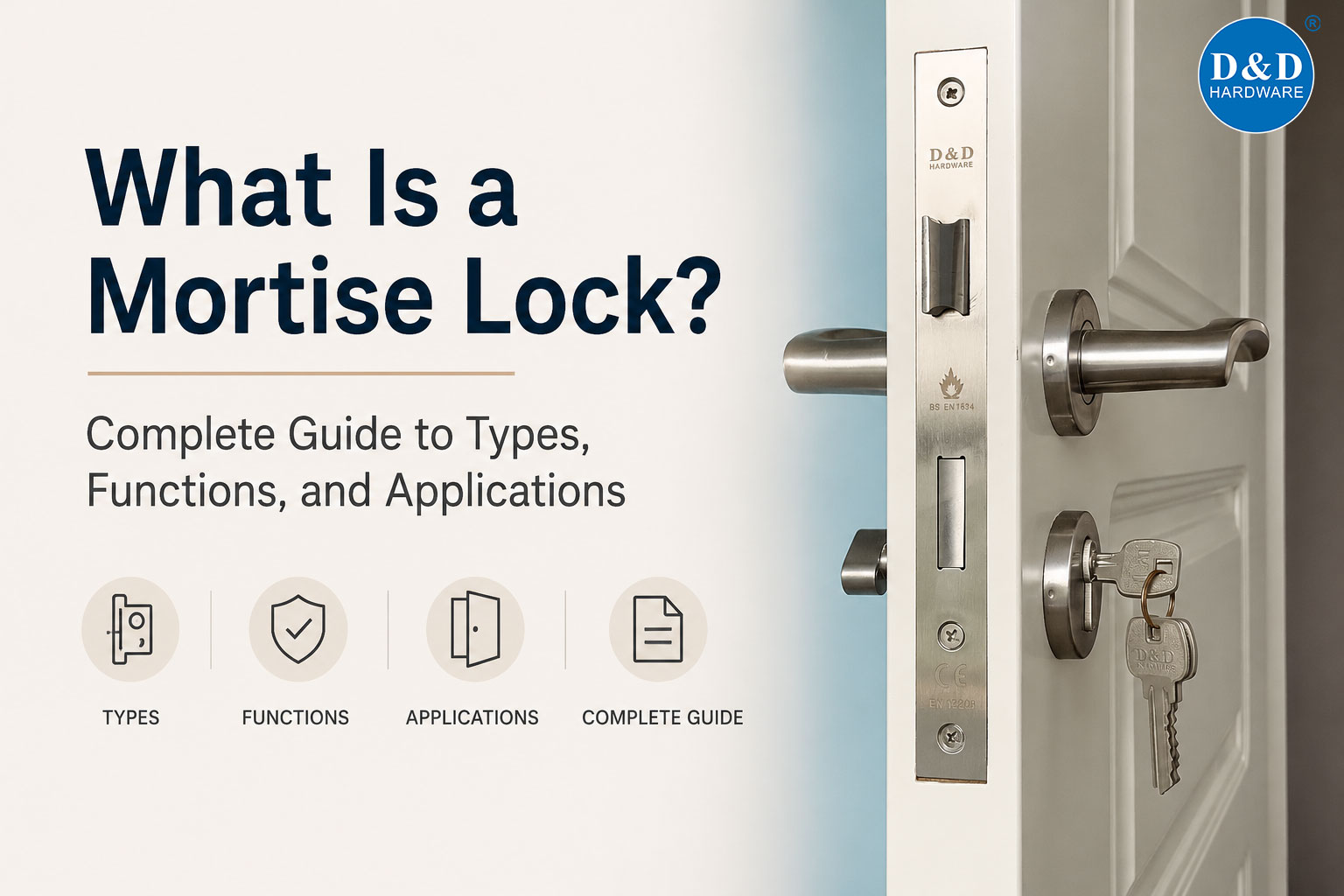
Understanding How a Mortise Lock Works
A mortise lock operates through an internal lock body installed inside the door. The mechanism usually combines a spring latch and a deadbolt within one heavy-duty metal case. When the lever handle is turned, the latch retracts to open the door. When the key or thumb turn rotates, the deadbolt extends into the strike plate, securing the door.
Compared with tubular or cylindrical locks, mortise locks offer several structural advantages:
• Larger internal components
• Stronger latch and deadbolt mechanisms
• Better resistance to forced entry
• Higher cycle durability
• More locking function options
• Compatibility with commercial-grade handles and cylinders
Because the entire lock case is enclosed inside the door structure, mortise locks are especially suitable for high-frequency doors in offices, schools, hospitals, hotels, and commercial buildings.
A standard mortise lock system generally includes the following components:
| Component | Function |
| Lock Body | Main internal mechanism installed inside the door |
| Latch Bolt | Spring-loaded latch for daily opening and closing |
| Deadbolt | Provides additional security locking |
| Faceplate | Visible plate fixed on the door edge |
| Cylinder | Key-operated locking component |
| Handle or Lever | Controls latch retraction |
| Strike Plate | Receives the latch and deadbolt in the frame |
Many commercial mortise locks also support advanced functions such as classroom locking, storeroom security, panic egress, master key systems, and electronic access integration.
Mortise locks are commonly specified in commercial construction because they are designed for heavy-duty use. In high-traffic environments, ordinary residential locks may wear out quickly, but mortise locks are engineered to withstand years of repeated operation.
One of the biggest advantages of mortise locks is their integrated design. Instead of using separate latch and deadbolt systems, a mortise lock combines multiple functions into one compact lock case. This creates a cleaner appearance while improving overall mechanical reliability.
Commercial property owners and architects often choose mortise locks because they offer:
Excellent Security Performance
Mortise locks are considered more secure than many standard cylindrical locks due to their heavy internal construction and larger locking components. Their embedded design also makes them harder to tamper with or forcibly remove.
Long Service Life
High-quality mortise locks are designed for heavy commercial use and frequent opening cycles. Many certified commercial mortise locks can withstand hundreds of thousands of operating cycles.
Flexible Lock Functions
Mortise locks are available in many operational functions, including:
• Entrance function
• Classroom function
• Storeroom function
• Privacy function
• Passage function
• Deadbolt function
• Escape function
This flexibility allows the same lock platform to be used across different areas within one building.
Better Aesthetic Integration
Because most of the lock body is hidden inside the door, mortise locks create a cleaner and more premium appearance. They are commonly paired with stainless steel lever handles, pull handles, and architectural escutcheons.
Compatibility With Fire-Rated Doors
Many mortise locks comply with international fire safety standards such as EN12209, EN1634, UL, and ANSI certifications, making them suitable for fire-rated door assemblies.
For modern commercial projects, combining certified mortise locks with stainless steel hinges, fire-rated door closers, and panic hardware helps create a complete compliant door system.
Main Types of Mortise Locks
Mortise locks can be classified in several ways depending on their function, structure, certification, or application environment.
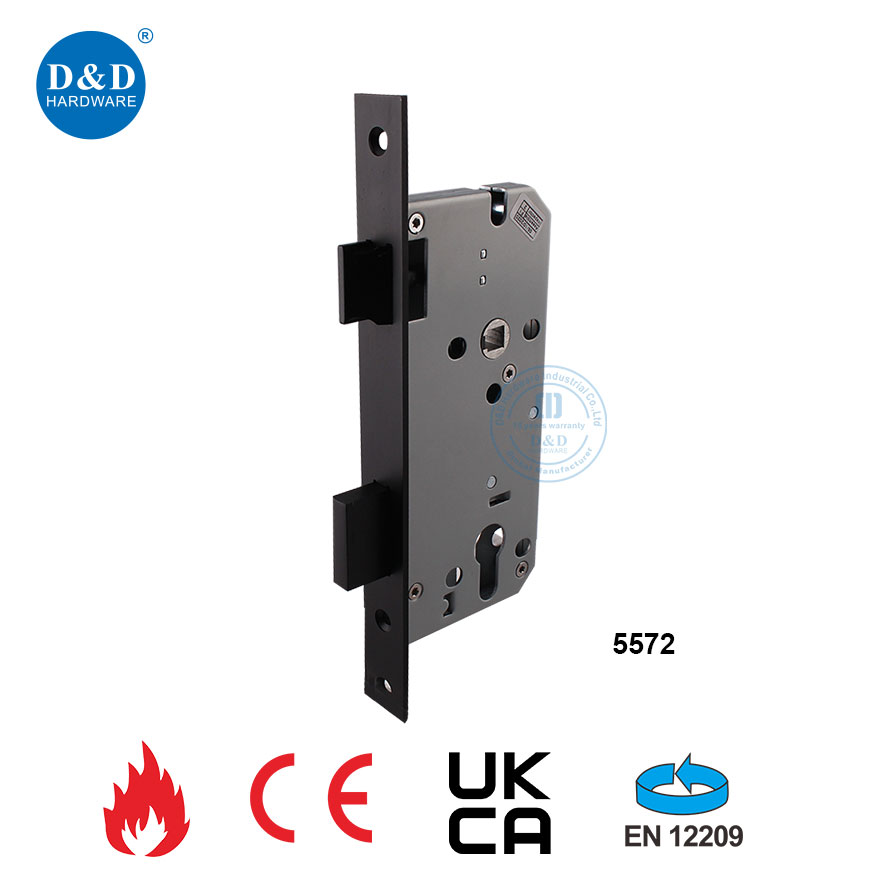
Entrance Mortise Lock
This is the most common type. It combines a latch and deadbolt in one case and is typically used for office entrances, apartment doors, and commercial entry doors.
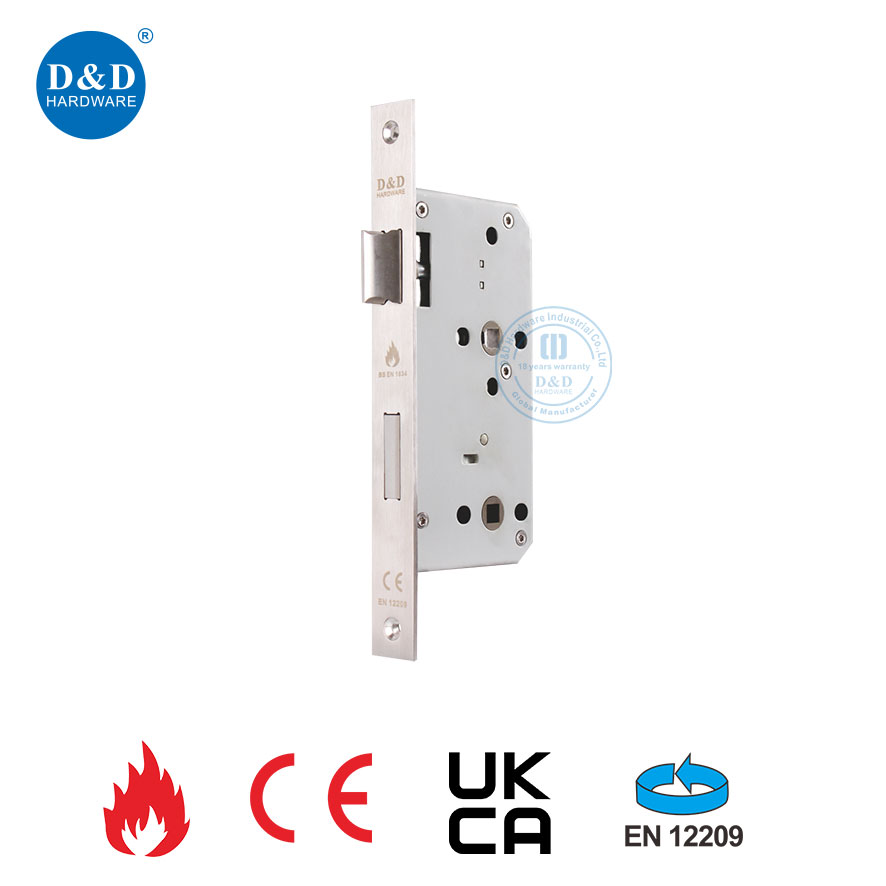
Privacy Mortise Lock
Privacy mortise locks are mainly used for bathrooms, bedrooms, and changing rooms. They usually feature internal thumb-turn locking with emergency release from the outside.
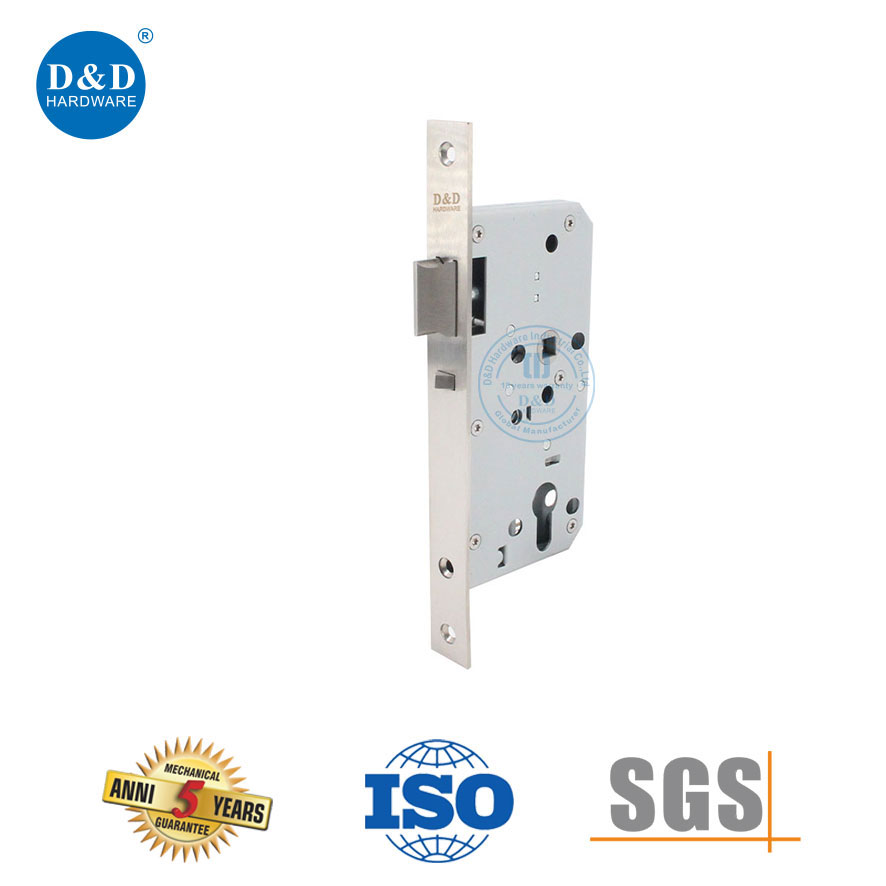
Classroom Mortise Lock
Classroom locks allow the outside lever to be locked or unlocked using a key while keeping free exit from the inside. These locks are widely used in schools and educational facilities.
Storeroom Mortise Lock
Storeroom functions keep the outside handle locked at all times. Entry requires a key, while the inside always allows immediate exit.
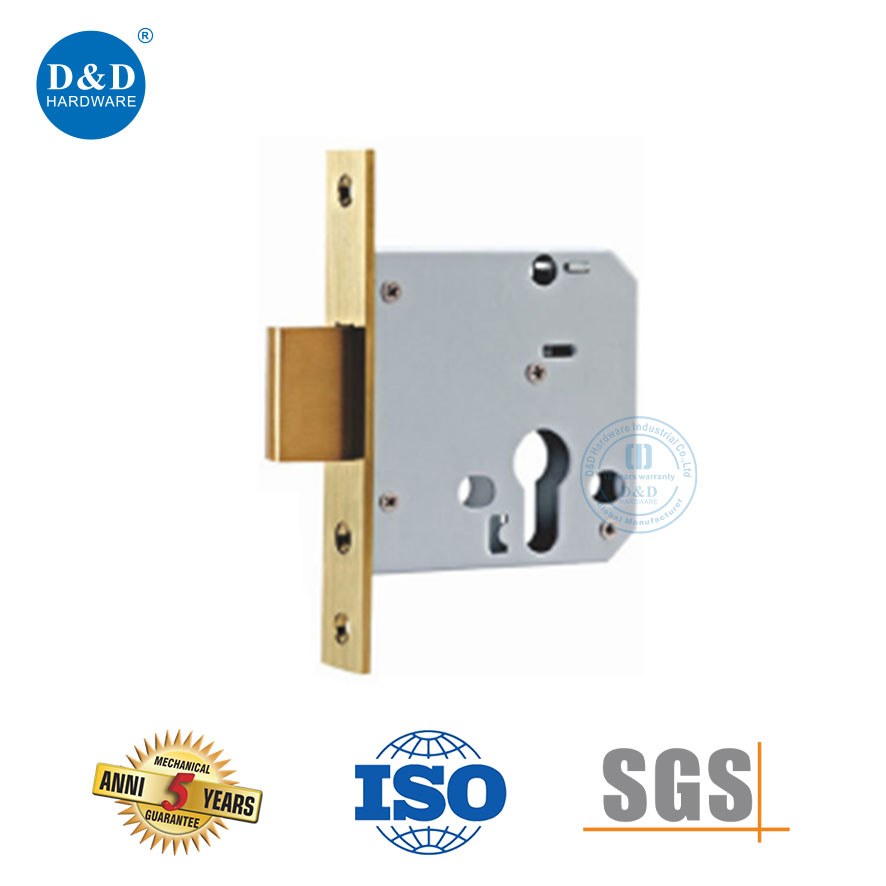
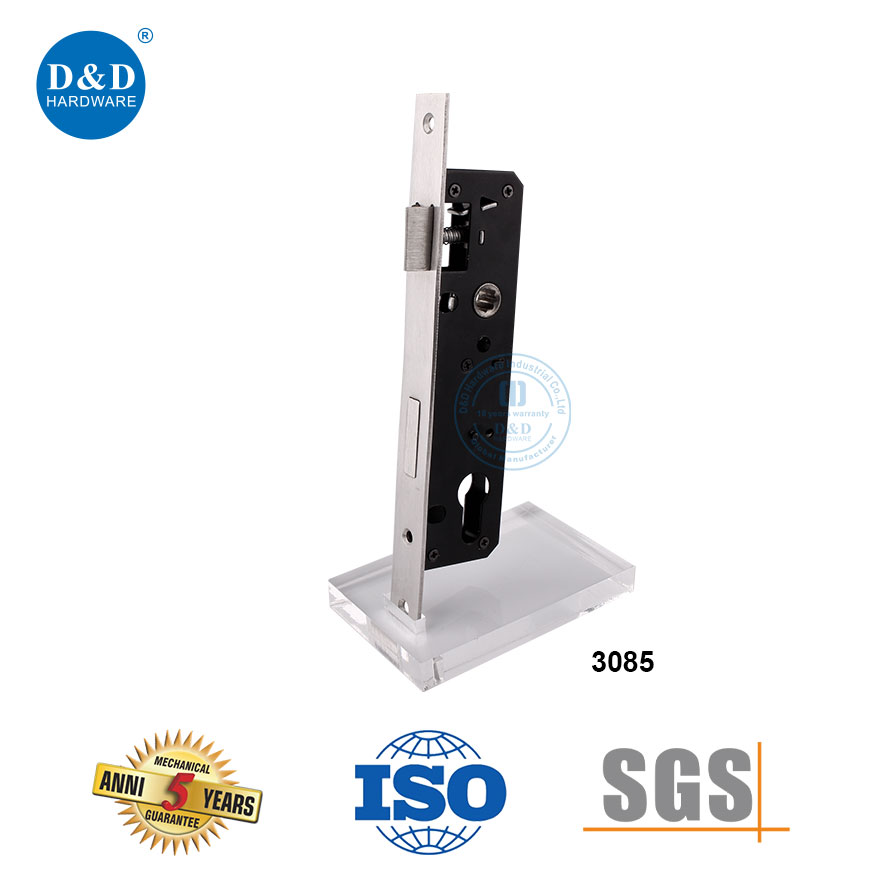
Narrow Stile Mortise Lock
Narrow stile mortise locks are specially designed for aluminum frame doors, glass doors, and storefront entrances where installation space is limited.
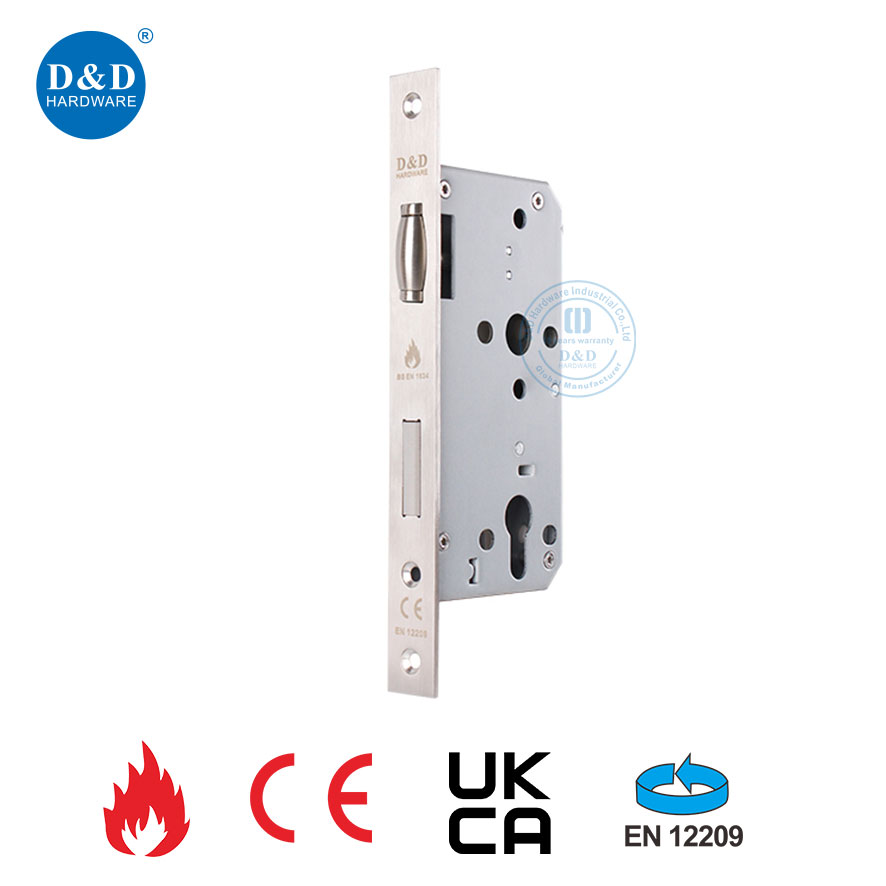
Roller Mortise Lock
Instead of a traditional latch bolt, this lock uses a roller latch for smooth push-pull operation. It is commonly used with glass doors and pull handle systems.
Electric Mortise Lock
Electric mortise locks integrate with access control systems and smart building solutions. They can work with card readers, biometric systems, remote unlocking, and automated security systems.
Mortise Lock vs Cylindrical Lock
Many customers compare mortise locks with cylindrical locks when selecting commercial door hardware. While both are widely used, they are designed for different performance levels and project requirements.
| Feature | Mortise Lock | Cylindrical Lock |
| Installation | Installed inside mortise pocket | Installed through drilled holes |
| Durability | Heavy-duty commercial grade | Medium-duty |
| Security | Higher security | Standard security |
| Lock Functions | More complex functions | Basic functions |
| Cost | Higher initial cost | Lower cost |
| Appearance | Premium architectural look | Standard appearance |
| Fire Door Compatibility | Excellent | Depends on model |
| Suitable Applications | Commercial & high-end projects | Residential & light commercial |
Although mortise locks usually cost more initially, they often provide better long-term value because of their durability and lower replacement frequency.
Important Specifications When Choosing a Mortise Lock
Selecting the correct mortise lock involves more than choosing a handle style. Different doors and applications require different technical specifications.
Backset
The backset refers to the distance from the edge of the door to the center of the cylinder or spindle hole. Common commercial backsets include 55mm and 60mm.
Door Thickness
Mortise locks must match the door thickness to ensure proper installation and cylinder compatibility.
Handing
Some mortise locks are reversible, while others require specific left-hand or right-hand configurations.
Fire Rating
For fire-rated doors, the mortise lock must comply with relevant fire certification standards.
Material
Commercial mortise locks are commonly manufactured from:
• Stainless steel
• Steel
• Brass internal components
Stainless steel mortise locks are especially popular because they provide strong corrosion resistance and long service life in demanding environments.
Cylinder Compatibility
Mortise locks may support:
• Euro profile cylinders
• Oval cylinders
• Mortise cylinders
• Thumb-turn cylinders
• Master key cylinders
The cylinder system plays a major role in the overall security level of the door.
Mortise Locks for Fire-Rated Doors
Fire-rated door systems require hardware that can continue functioning during fire exposure. Mortise locks are frequently used in fire-rated applications because their robust structure and tested components meet strict safety requirements.
Certified fire-rated mortise locks are commonly tested under standards such as:
• EN12209
• EN1634
• UL 10C
• ANSI/BHMA standards
These locks are often installed together with:
• Fire-rated hinges
• Door closers
• Panic exit devices
• Door coordinators
• Smoke seals
When selecting a fire-rated mortise lock, it is important to ensure that the entire door hardware assembly is compatible and certified together.
For commercial fire door projects, many contractors prefer complete architectural hardware solutions from experienced manufacturers to ensure compliance consistency across all hardware components.
How Mortise Locks Are Installed
Installing a mortise lock requires more precision than installing a cylindrical lock because the door edge must be cut to accommodate the lock body.
The general installation process includes:
1. Marking the lock body position
2. Cutting the mortise pocket into the door edge
3. Drilling cylinder and spindle holes
4. Inserting the lock body
5. Installing the cylinder and handles
6. Fixing the strike plate
7. Testing latch and deadbolt operation
Professional installation is recommended for commercial mortise locks to ensure proper alignment and long-term performance.
Incorrect installation can lead to:
• Misaligned latch operation
• Poor deadbolt engagement
• Premature wear
• Reduced security
• Fire door compliance issues
Applications of Mortise Locks
Mortise locks are used across many industries due to their versatility and durability.
Commercial Buildings
Office buildings often use mortise locks for entrance doors, conference rooms, and restricted areas because they support high traffic and advanced access control.
Hotels
Hotels frequently choose mortise lock systems because they integrate well with electronic card access systems while maintaining elegant aesthetics.
Educational Facilities
Schools and universities commonly use classroom and storeroom mortise locks to improve safety and controlled access.
Hospitals
Healthcare facilities require durable, hygienic, and code-compliant hardware solutions. Mortise locks are widely used in patient rooms, staff areas, and emergency exits.
Luxury Residential Projects
High-end homes and apartments often use decorative mortise locksets combined with premium lever handles for improved security and aesthetics.
Aluminum and Glass Doors
Narrow stile mortise locks are commonly used in storefronts, aluminum frame doors, and glass door systems.
Choosing the Right Mortise Lock Supplier
The quality of a mortise lock depends heavily on manufacturing precision, testing standards, and material quality. For commercial projects, selecting a reliable architectural hardware supplier is essential.
Professional door hardware manufacturers usually provide:
• CE or UL certified products
• Fire-rated testing
• Stainless steel construction
• Multiple surface finishes
• OEM & project customization
• Technical support
• Complete door hardware solutions
As a professional door hardware manufacturer, D&D Hardware provides a wide range of commercial mortise locks designed for office buildings, hotels, apartments, schools, and fire-rated door systems.
D&D Hardware mortise lock products are widely used together with:
• Stainless steel hinges
• Fire-rated hinges
• Door closers
• Pull handles
• Panic exit devices
• Glass door hardware
These integrated hardware solutions help contractors and distributors simplify procurement while ensuring hardware compatibility across the entire project.
Future Trends of Mortise Locks
As commercial buildings become smarter and more security-focused, mortise lock systems are evolving rapidly.
Modern mortise locks increasingly support:
• Smart access control
• Electronic monitoring
• Mobile credential integration
• Biometric access
• Remote unlocking
• Energy-saving building systems
At the same time, demand for fire-rated and corrosion-resistant mortise locks continues to grow in commercial construction, hospitality, and infrastructure projects.
Stainless steel mortise locks with modular cylinder systems are becoming especially popular because they offer long-term flexibility for changing security requirements.
FAQ
Are mortise locks more secure than cylindrical locks?
Yes. Mortise locks are generally considered more secure because of their heavy-duty internal construction, integrated deadbolt systems, and embedded installation design.
Can mortise locks be used on fire-rated doors?
Yes. Many commercial mortise locks are tested and certified for fire-rated door assemblies under EN and UL standards.
What doors are suitable for mortise locks?
Mortise locks can be used on wood doors, metal doors, aluminum doors, and some glass door systems depending on the lock type.
Are mortise locks suitable for residential use?
Yes. Mortise locks are commonly used in luxury homes, apartments, and villas because they provide higher security and premium aesthetics.
What is the difference between a sash lock and a mortise lock?
A sash lock is actually one type of mortise lock that combines a latch and deadbolt within the same lock body.
Can mortise locks work with smart access systems?
Yes. Electric and motorized mortise locks can integrate with access control systems, hotel locking systems, and smart building platforms.
Conclusion
Mortise locks remain one of the most reliable and versatile door locking solutions in the architectural hardware industry. Their strong internal construction, flexible functions, long service life, and compatibility with commercial-grade door systems make them ideal for offices, hotels, schools, hospitals, apartments, and fire-rated applications.
Compared with standard cylindrical locks, mortise locks provide better durability, enhanced security, and a more professional architectural appearance. Although installation is more complex, the long-term performance advantages make them a preferred choice for commercial and premium residential projects worldwide.
For distributors, contractors, and architects seeking dependable commercial door hardware, selecting a high-quality mortise lock from an experienced manufacturer is essential for ensuring safety, compliance, and long-term project success.