

Modern buildings demand more from door hardware than ever before. Doors are no longer expected to simply open and close. In offices, hotels, shopping malls, apartments, and commercial interiors, people expect doors to operate quietly, smoothly, and safely while also matching modern architectural aesthetics. This is one of the main reasons why hydraulic hinges have become increasingly popular in recent years.
A hydraulic hinge is an advanced type of hinge that combines traditional door support with a built-in soft-closing mechanism. Unlike ordinary hinges that allow doors to swing freely, hydraulic hinges control the speed of movement through an internal hydraulic system. This helps prevent slamming, reduces noise, and improves the overall user experience.
Today, hydraulic hinges are widely used on glass doors, wooden doors, aluminum doors, and lightweight commercial entrances. They are especially popular in modern projects where designers want cleaner aesthetics without using bulky external door closers.
This article explains what a hydraulic hinge is, how it works, and the key benefits it offers for residential and commercial applications.
What Is a Hydraulic Hinge?
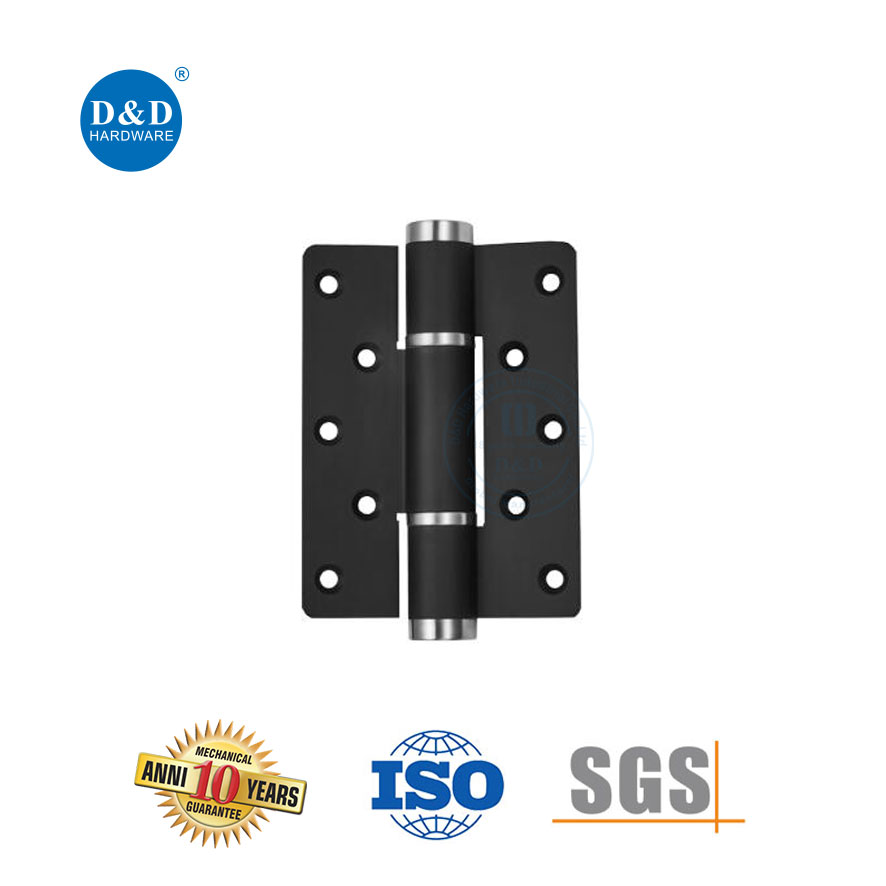
A hydraulic hinge is a self-closing hinge equipped with an internal hydraulic damping system. It controls the opening and closing movement of a door by using hydraulic oil and spring pressure inside the hinge body.
Traditional hinges only serve as pivot points that connect the door to the frame. Hydraulic hinges, however, perform multiple functions at the same time. They support the weight of the door, control movement, and provide soft closing without requiring an additional door closer.
The internal mechanism slows the door down during closing, preventing sudden impact. This creates quieter and smoother operation while also reducing stress on the door system.
Because hydraulic hinges combine functionality and aesthetics, they are commonly used in:
• Frameless glass doors
• Office partitions
• Hotel interiors
• Bathroom doors
• Residential wooden doors
• Commercial entrance systems
Compared with ordinary hinges, hydraulic hinges offer a more modern and premium experience.
| Feature | Standard Hinge | Hydraulic Hinge |
| Soft closing | No | Yes |
| Self-closing function | No | Yes |
| Noise reduction | Limited | Excellent |
| Door slamming prevention | No | Yes |
| Appearance | Basic | Modern |
How Does a Hydraulic Hinge Work?
The working principle of a hydraulic hinge is based on hydraulic damping technology. Inside the hinge body are several important components, including a spring mechanism, hydraulic chamber, rotating shaft, and valve system.
When the door opens, the spring inside the hinge stores energy. As the door begins to close, hydraulic oil moves through narrow internal channels. The controlled flow of oil creates resistance, slowing the door down gradually instead of allowing it to slam shut.
This process happens automatically and does not require electricity or external power.
The closing movement is usually divided into two stages. In the first stage, the door closes smoothly at a controlled speed. In the second stage, the hinge gently guides the door into the fully closed position. This creates a softer and quieter closing experience.
High-quality hydraulic hinges are carefully engineered to maintain stable performance over long periods of use. Premium models can withstand hundreds of thousands of opening and closing cycles while still providing smooth operation.
Main Components of a Hydraulic Hinge
Although designs may vary between manufacturers, most hydraulic hinges contain similar internal structures.
The hydraulic cylinder is the core part responsible for damping control. It contains hydraulic oil that regulates the closing speed. The spring mechanism provides the force needed for self-closing, while precision valves control the flow of oil inside the system.
The housing body protects these internal components and also affects the hinge’s durability and appearance. Many high-quality hydraulic hinges use stainless steel 201, 304, or 316 materials for better corrosion resistance and long-term reliability.
Material quality is particularly important for projects located in humid or coastal environments.
Key Benefits of Hydraulic Hinges
One of the biggest advantages of hydraulic hinges is soft and quiet closing. Traditional doors can create loud impact noise when users close them quickly. Hydraulic hinges reduce this problem by controlling movement smoothly. This is especially important in offices, hotels, hospitals, and residential spaces where noise reduction improves comfort.
Another major benefit is improved safety. Sudden door slamming may cause injuries, especially for children or elderly users. Hydraulic hinges help reduce these risks by slowing down the closing speed.
Hydraulic hinges also improve the lifespan of the entire door system. Repeated impact from uncontrolled closing can damage locks, frames, glass panels, and other hardware components over time. Because hydraulic hinges reduce impact force, they help minimize wear and maintenance costs.
In addition to performance benefits, hydraulic hinges are highly valued for their modern appearance. Traditional door closers are visible on the door surface and may affect interior aesthetics. Hydraulic hinges integrate the closing mechanism directly into the hinge body, creating a cleaner and more minimalist design.
This is one reason they are frequently used in frameless glass systems and luxury commercial interiors.
Common Applications of Hydraulic Hinges
Hydraulic hinges are used in a wide variety of commercial and residential projects. In office buildings, they help create quieter working environments and improve the overall user experience. In hotels, they prevent guest room doors from slamming, which contributes to better comfort and higher customer satisfaction.
Healthcare environments also benefit from hydraulic hinges because quiet operation is important for patients and medical staff. Modern residential projects increasingly use hydraulic hinges for bedrooms, bathrooms, kitchens, and interior doors where smooth movement and noise reduction are preferred.
Frameless glass doors are another major application area. Many architects and designers choose hydraulic hinges for glass systems because they combine elegant appearance with practical functionality.
Hydraulic Hinge vs Door Closer
Hydraulic hinges are often compared with traditional door closers because both products provide controlled closing functions. However, they are designed for different situations.
Hydraulic hinges are generally more compact and visually cleaner because the damping system is built directly into the hinge itself. This makes them ideal for modern interiors and lightweight door systems.
Traditional door closers, on the other hand, are usually better suited for heavy commercial doors and fire-rated applications where stronger closing force is required.
| Feature | Hydraulic Hinge | Door Closer |
| Appearance | Minimalist | Visible |
| Space requirement | Low | Higher |
| Best for modern interiors | Yes | Moderate |
| Suitable for heavy doors | Limited | Excellent |
In many modern commercial projects, hydraulic hinges are preferred because they offer a balance between aesthetics and functionality.
How to Choose the Right Hydraulic Hinge
Choosing the correct hydraulic hinge depends on several important factors. Door weight is one of the most critical considerations because every hinge has its own load capacity. Selecting an unsuitable model may lead to poor performance or shorter service life.
Door material should also be considered carefully. Different hydraulic hinges are designed for glass, wood, aluminum, or steel doors. Environmental conditions are equally important, especially for outdoor or humid applications where corrosion resistance is necessary.
For high-traffic commercial projects, heavy-duty hydraulic hinges with higher cycle testing performance are recommended. Product quality, material thickness, and damping stability should also be evaluated before purchase.
A well-designed hydraulic hinge not only improves user comfort but also helps maintain long-term reliability for the entire door system.
Conclusion
Hydraulic hinges have become an important solution in modern architectural hardware because they combine smooth door control, quiet operation, safety, and clean aesthetics in a single product.
Unlike traditional hinges, hydraulic hinges provide controlled soft closing through an internal hydraulic system. This improves user experience while reducing door damage and maintenance requirements.
From office buildings and hotels to residential interiors and frameless glass doors, hydraulic hinges are widely used in projects that demand both functionality and modern design.
As architectural trends continue to focus on comfort, minimalism, and performance, hydraulic hinges are expected to remain a popular choice for modern door systems.
FAQ
Can hydraulic hinges prevent doors from slamming?
Yes. Hydraulic hinges slow down the closing speed and create soft closing movement to reduce slamming noise and impact.
Are hydraulic hinges suitable for glass doors?
Yes. Many hydraulic hinges are specifically designed for frameless glass door systems used in offices, hotels, and commercial interiors.
Do hydraulic hinges need electricity?
No. Hydraulic hinges operate mechanically using internal springs and hydraulic oil.
Are hydraulic hinges better than ordinary hinges?
For applications requiring soft closing, noise reduction, and modern aesthetics, hydraulic hinges provide more advanced functionality than standard hinges.