

Choosing the right door control hardware is an important decision for commercial buildings, offices, hotels, hospitals, retail stores, and modern residential projects. Among the most common solutions, hydraulic hinges and door closers are widely used to control door movement, improve safety, reduce noise, and extend door life. However, many architects, contractors, distributors, and project buyers still ask the same question: which one is better for a specific project?
The answer depends on several factors, including door type, traffic frequency, aesthetics, installation requirements, fire safety standards, and long-term maintenance expectations. While both hydraulic hinges and door closers help doors close automatically, their structure, installation method, performance, and applications are very different.
This guide explains the key differences between hydraulic hinges and door closers, compares their advantages and disadvantages, and helps you determine which solution is best for your project.
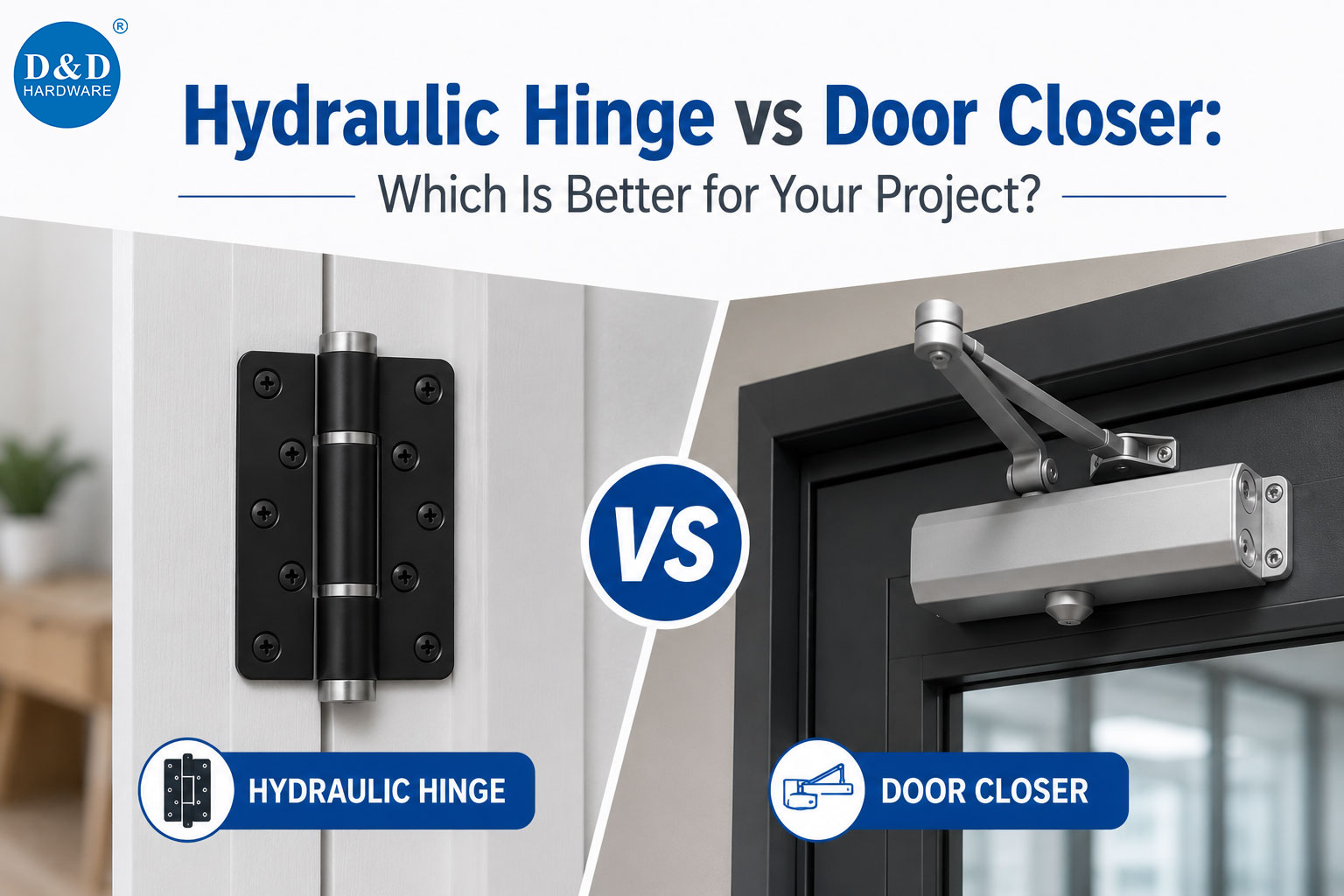
What Is a Hydraulic Hinge?
A hydraulic hinge is an integrated hinge system with a built-in hydraulic damping mechanism that controls the speed of door closing. Unlike traditional hinges, hydraulic hinges combine pivot support and soft-closing functionality into one compact product.
Hydraulic hinges are especially popular in frameless glass doors, lightweight aluminum doors, interior wooden doors, and modern minimalist projects where aesthetics are important. Because the damping system is hidden inside the hinge body, the door maintains a cleaner and more elegant appearance.
Most hydraulic hinges offer features such as:
• Soft and controlled closing
• Reduced slamming noise
• Adjustable closing speed
• Compact concealed appearance
• Space-saving installation
• Smooth user experience
In recent years, hydraulic hinges have become increasingly common in luxury residential projects, office partitions, shower rooms, hotels, and commercial interiors.
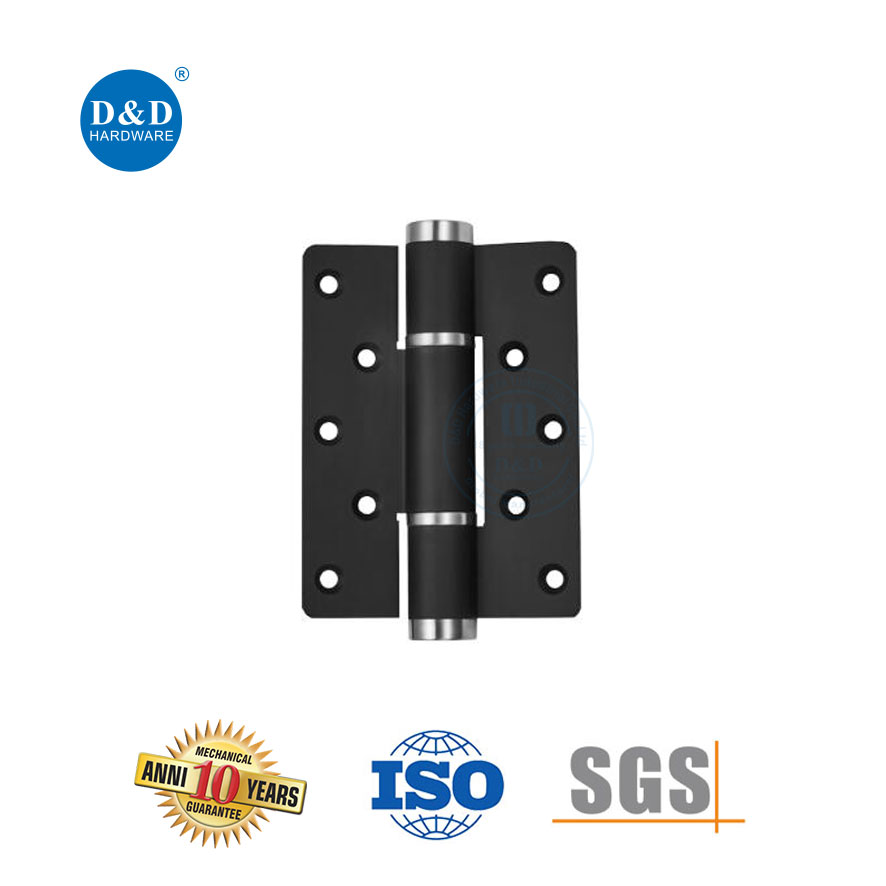
What Is a Door Closer?
A door closer is a mechanical device installed on the top or surface of a door to automatically control door closing after opening. It uses hydraulic pressure and spring tension to regulate door movement.
Door closers are widely used in commercial buildings, schools, hospitals, shopping malls, fire-rated doors, and public entrances because they provide stronger closing force and better control for heavier or high-traffic doors.
Modern door closers are available in multiple types, including:
| Door Closer Type | Main Application |
| Surface Mounted Door Closer | Commercial and public buildings |
| Concealed Door Closer | Premium interior projects |
| Floor Spring Door Closer | Glass doors and heavy entrances |
| Overhead Concealed Closer | High-end architectural doors |
Many commercial projects use door closers because they comply with fire safety regulations and building accessibility standards.
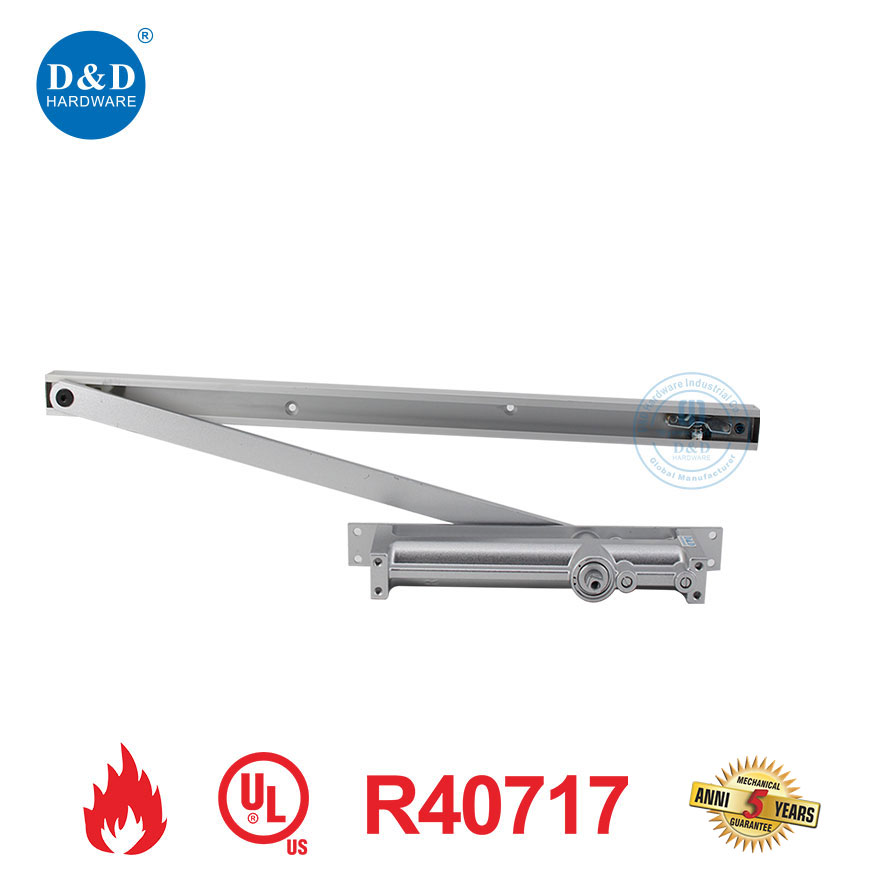
Hydraulic Hinge vs Door Closer: Core Differences
Although both products perform automatic door closing functions, they differ significantly in design and performance.
| Feature | Hydraulic Hinge | Door Closer |
| Main Function | Hinge + soft close combined | Independent door control device |
| Appearance | Minimal and concealed | Visible surface hardware |
| Installation | Mounted like standard hinge | Installed on door and frame |
| Suitable Door Weight | Light to medium doors | Medium to heavy doors |
| Closing Force | Moderate | Strong and adjustable |
| Fire Door Compatibility | Limited models | Widely supported |
| Traffic Capacity | Medium traffic | High traffic |
| Maintenance | Relatively low | Periodic adjustment needed |
| Cost | Moderate to high | Wide price range |
| Aesthetic Appeal | Excellent | Functional appearance |
The selection often depends on whether the project prioritizes appearance, heavy-duty performance, compliance requirements, or long-term durability.
Advantages of Hydraulic Hinges
Hydraulic hinges offer several advantages for modern architectural projects where clean design and quiet operation are priorities.
Elegant Minimalist Appearance
One of the biggest reasons designers prefer hydraulic hinges is aesthetics. Since the damping mechanism is integrated inside the hinge body, there is no bulky arm or exposed closer installed on the door surface.
This creates a cleaner and more premium visual effect, especially for:
• Frameless glass doors
• Luxury residential interiors
• Office partitions
• Hotel rooms
• Modern commercial spaces
Minimalist architectural trends continue to increase demand for concealed and integrated hardware solutions.
Quiet Soft Closing
Hydraulic hinges prevent doors from slamming shut. The hydraulic damping system slows down the closing movement, reducing noise and improving comfort.
This is especially valuable in:
• Offices
• Bedrooms
• Conference rooms
• Hospitals
• Libraries
• Hotels
Soft-closing functionality also reduces impact damage to the door and frame over time.
Easier Installation
Compared with traditional surface-mounted door closers, hydraulic hinges usually require less drilling and fewer installation components. For lightweight doors, installation may be faster and visually cleaner.
In some projects, hydraulic hinges can reduce installation complexity while maintaining automatic closing functionality.
Better User Experience
Hydraulic hinges provide smoother opening and closing movement. Users often perceive the door as more premium and comfortable to operate.
This improves the overall experience in high-end commercial and residential environments.
Advantages of Door Closers
While hydraulic hinges focus more on appearance and soft closing, door closers dominate projects that require stronger performance and regulatory compliance.
Superior Closing Power
Door closers are designed for heavier doors and larger openings. They generate stronger spring force and more reliable closing performance.
This makes them ideal for:
• Fire-rated doors
• Exterior entrances
• Heavy wooden doors
• Steel doors
• High-traffic commercial buildings
Hydraulic hinges may struggle to control very large or heavy doors effectively.
Better Fire Safety Compliance
In many commercial and public buildings, fire-rated doors require certified door closers to ensure the door closes automatically during emergencies.
Many door closers meet international certifications such as:
• UL 10C
• ANSI/BHMA
• EN 1154
• CE certification
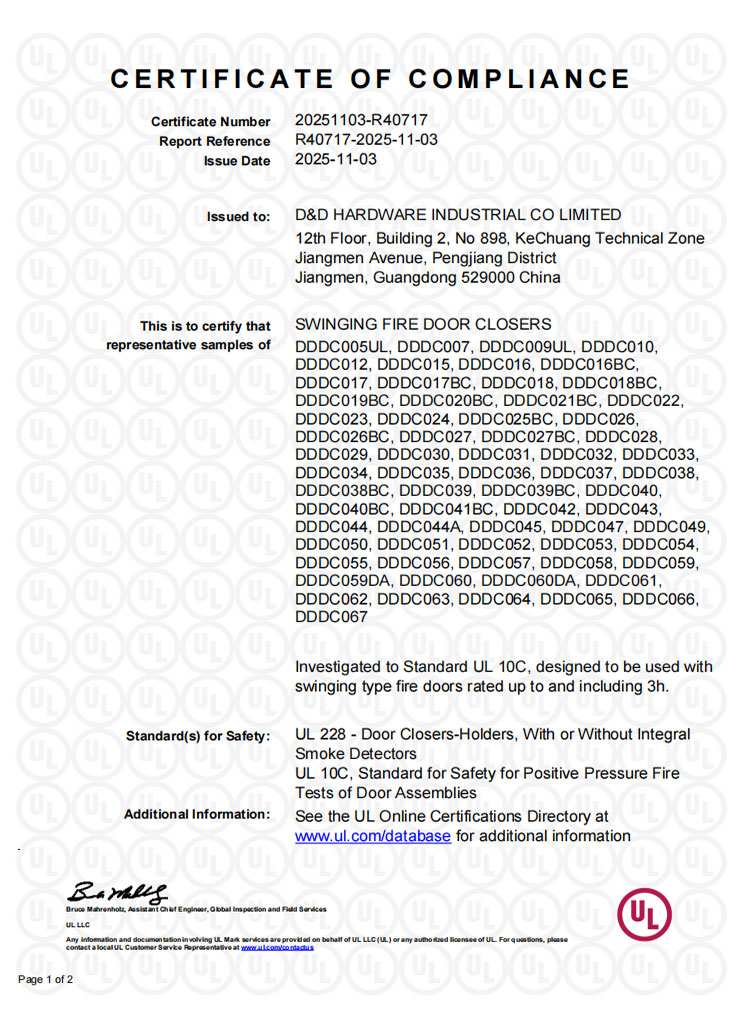
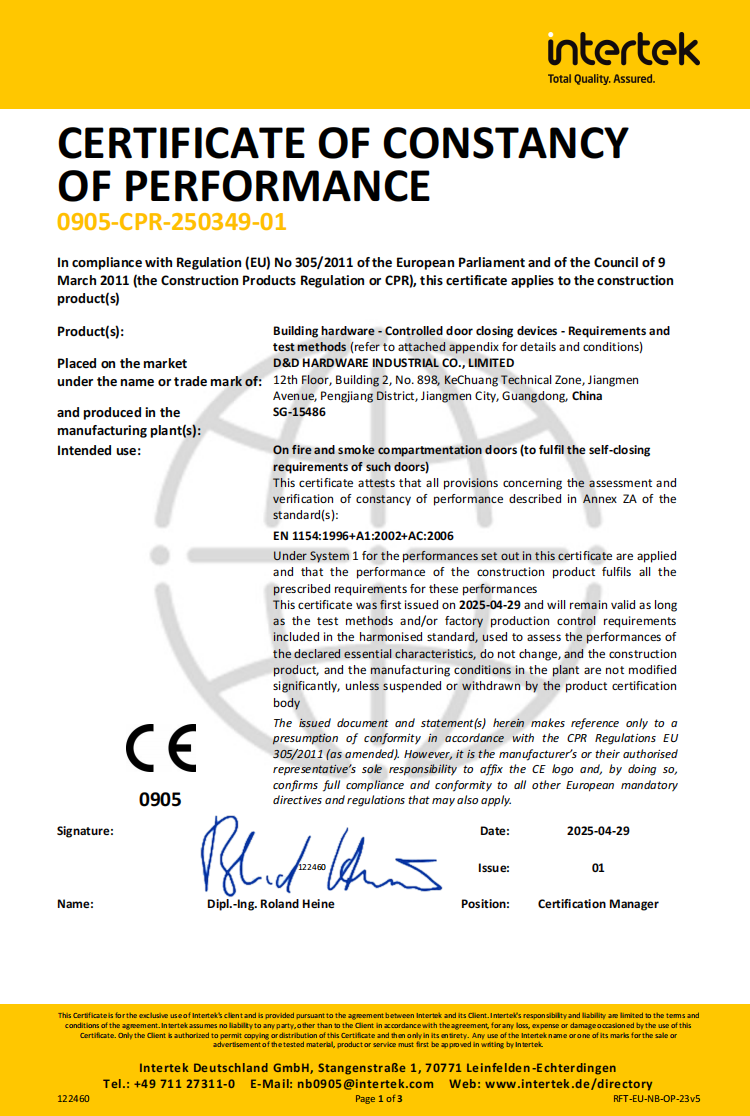
Because fire safety regulations are strict, door closers remain the standard solution for fire door systems.
Adjustable Performance
Most commercial door closers provide multiple adjustment options, including:
• Closing speed
• Latching speed
• Backcheck
• Delayed action
• Spring force
This flexibility allows installers to optimize door movement based on project requirements.
Long-Term Durability
Heavy-duty door closers are engineered for very high cycle testing and continuous operation in busy environments.
High-quality commercial closers can handle:
• Schools
• Airports
• Hospitals
• Shopping centers
• Office towers
In these environments, durability is more important than minimal appearance.
Which Is Better for Glass Doors?
For frameless glass doors, hydraulic hinges are often the preferred option because they maintain a cleaner appearance without requiring a visible closer arm mounted on the glass.
However, the decision also depends on door size and traffic volume.
Hydraulic hinges are suitable for:
• Small to medium glass doors
• Office partitions
• Interior commercial spaces
• Residential glass doors
Door closers or floor springs are usually better for:
• Large entrance glass doors
• Heavy tempered glass doors
• High-frequency commercial entrances
• Public buildings
Many premium glass door systems combine floor springs with patch fittings for maximum durability and control.
Which Option Is More Cost Effective?
The total project cost should include not only product price, but also installation, maintenance, lifespan, and replacement frequency.
Hydraulic hinges may initially cost more than standard hinges, but they eliminate the need for a separate closer in some applications.
Door closers vary greatly in price depending on quality and certification level. Heavy-duty fire-rated closers generally cost more but provide longer service life.
Here is a simplified comparison:
| Cost Factor | Hydraulic Hinge | Door Closer |
| Initial Hardware Cost | Medium | Medium to high |
| Installation Cost | Lower | Moderate |
| Maintenance | Low | Moderate |
| Heavy-Duty Lifespan | Limited | Excellent |
| Replacement Frequency | Moderate | Low |
For light commercial or residential projects, hydraulic hinges may offer better overall value. For heavy-duty commercial buildings, door closers usually provide better long-term performance.
How to Choose the Right Solution for Your Project
The best choice depends on your project priorities.
Choose hydraulic hinges if your project focuses on:
• Modern minimalist design
• Frameless glass doors
• Quiet soft-closing performance
• Interior applications
• Luxury residential aesthetics
• Medium traffic environments
Choose door closers if your project requires:
• Fire-rated compliance
• Heavy door control
• High traffic durability
• Adjustable closing force
• Commercial building standards
• Long-term heavy-duty reliability
Some projects even combine both systems in different areas depending on door function.
For example:
| Project Area | Recommended Solution |
| Hotel Guest Room | Hydraulic Hinge |
| Commercial Entrance | Door Closer |
| Office Glass Partition | Hydraulic Hinge |
| Fire Exit Door | Door Closer |
| Hospital Corridor | Door Closer |
| Luxury Interior Door | Hydraulic Hinge |
Why Hardware Quality Matters
Whether choosing hydraulic hinges or door closers, hardware quality directly affects performance, durability, and safety.
Low-quality products often suffer from:
• Oil leakage
• Inconsistent closing speed
• Weak damping
• Premature wear
• Noise issues
• Installation inaccuracies
Professional projects should prioritize products manufactured with:
• Precision hydraulic systems
• Durable sealing technology
• Corrosion-resistant materials
• High-cycle testing
• International certifications
For commercial buildings and export projects, certified products help ensure compliance with local standards and long-term reliability.
The Growing Trend Toward Smart and Concealed Door Hardware
Modern architecture increasingly favors concealed and integrated hardware solutions. Hydraulic hinges benefit from this trend because they offer a cleaner appearance and more seamless door integration.
At the same time, door closers continue evolving with features such as:
• Concealed installation
• Cam-action technology
• Adjustable power size
• Smart access integration
• Enhanced accessibility compliance
As building standards become stricter, both hydraulic hinges and advanced door closers will remain essential components in modern door systems.
Conclusion
Hydraulic hinges and door closers both provide automatic door control, but they serve different project needs.
Hydraulic hinges are ideal for projects that prioritize aesthetics, quiet operation, and compact design. They work especially well for interior glass doors, luxury spaces, and medium-duty applications.
Door closers remain the preferred solution for fire-rated doors, heavy commercial traffic, and projects requiring strong closing force and certification compliance.
Instead of asking which product is universally better, the smarter question is which product better matches your project requirements. By evaluating door weight, traffic frequency, design goals, safety standards, and budget, you can select the most effective solution for long-term performance and user satisfaction.
High-quality architectural hardware not only improves functionality but also enhances safety, durability, and overall building experience.
FAQ
Can hydraulic hinges replace door closers?
In some light-duty interior applications, yes. However, hydraulic hinges are generally not suitable replacements for heavy-duty commercial or fire-rated door closers.
Are hydraulic hinges suitable for fire doors?
Most standard hydraulic hinges are not designed for certified fire door systems. Always verify fire certification requirements before use.
Which solution is better for frameless glass doors?
Hydraulic hinges are often preferred for smaller interior glass doors because of their cleaner appearance. Heavy glass entrance doors usually require floor springs or door closers.
Do door closers require maintenance?
Yes. Commercial door closers may require periodic adjustment and inspection to maintain proper closing speed and performance.
Which product lasts longer?
Heavy-duty commercial door closers generally provide longer lifespan under high-frequency use conditions.