

Hydraulic hinges have become an essential component in modern door systems, especially where controlled, quiet, and safe closing is required. Whether in residential interiors, commercial buildings, or high-traffic public spaces, soft closing doors enhance both functionality and user experience. However, selecting the right hydraulic hinge is not just about achieving a smooth closing effect—it involves understanding door specifications, performance requirements, installation conditions, and long-term durability.
This guide explores everything you need to know to choose the most suitable hydraulic hinge for your application, helping you make a decision that balances performance, reliability, and cost-effectiveness.
Understanding How Hydraulic Hinges Work
A hydraulic hinge integrates a damping mechanism within the hinge body. Unlike traditional hinges that rely solely on mechanical movement, hydraulic hinges use fluid resistance to control the door’s closing speed.
Inside the hinge, a hydraulic cylinder filled with oil regulates motion. When the door is opened and released, the fluid flows through internal channels, creating resistance that slows the door down before it fully closes. This prevents slamming, reduces noise, and protects both the door and frame from impact damage.
The key advantages of hydraulic hinges include:
• Smooth and controlled door closing
• Reduced noise in quiet environments
• Enhanced safety by preventing sudden slamming
• Extended lifespan of door systems
• Improved user experience in premium spaces
While the concept is straightforward, performance varies significantly depending on hinge design, materials, and engineering quality.
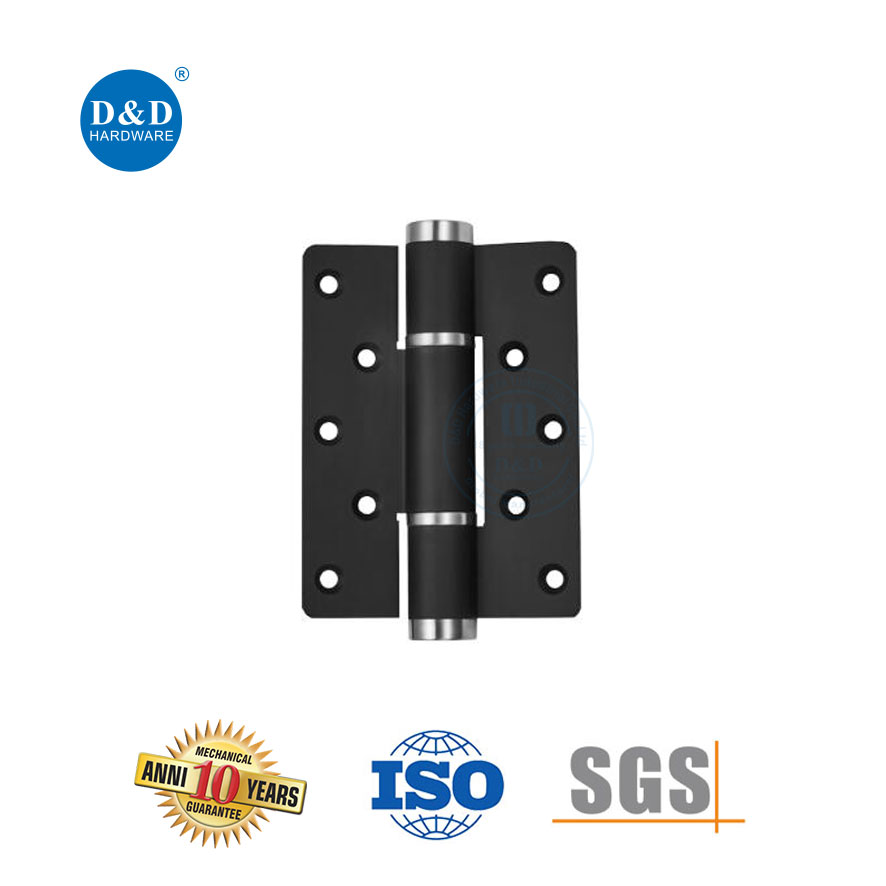
Key Factors to Consider When Choosing a Hydraulic Hinge
Selecting the right hydraulic hinge requires careful evaluation of several technical and practical factors. A mismatch can lead to poor performance, leakage, or even hinge failure over time.
1. Door Weight and Size
The most critical factor is the weight and dimensions of the door. Hydraulic hinges are designed with specific load capacities, and exceeding these limits will compromise performance.
Heavier doors require stronger damping systems and reinforced hinge structures. For example:
| Door Type | Typical Weight Range | Recommended Hinge Type |
| Light interior door | 15–30 kg | Standard hydraulic hinge |
| Glass door | 30–60 kg | Heavy-duty hydraulic hinge |
| Commercial door | 60–120 kg | High-load hydraulic hinge |
Always check the manufacturer’s load rating and ensure a safety margin for long-term durability.
2. Door Material Compatibility
Different door materials demand different hinge specifications. A hydraulic hinge suitable for wooden doors may not perform well on glass or metal doors.
• Glass doors require specialized hydraulic hinges with precise clamping systems and anti-slip features.
• Wooden doors typically use concealed or surface-mounted hydraulic hinges.
• Metal doors need hinges with higher strength and corrosion resistance.
Material compatibility also affects installation methods and required accessories.
3. Opening Angle Requirements
Hydraulic hinges come with varying maximum opening angles, commonly ranging from 90° to 180°. The required angle depends on the application:
• Residential doors often need 100°–120°
• Shower or glass doors may require 135°–180°
• Commercial entrances often require wide opening angles for accessibility
Choosing the wrong angle can limit usability or cause stress on the hinge.
4. Closing Speed and Adjustability
One of the most important features of a high-quality hydraulic hinge is adjustable closing speed. This allows users to fine-tune the damping effect according to door weight and usage frequency.
Key adjustment features include:
• Closing speed control
• Latching speed adjustment (final closing stage)
• Backcheck function (resistance when opening)
Adjustability ensures flexibility across different environments and enhances user satisfaction.
5. Installation Type and Aesthetic Requirements
Hydraulic hinges are available in various installation styles, each suited to different design preferences:
• Concealed hydraulic hinges: Hidden within the door, offering a clean and modern appearance
• Surface-mounted hinges: Easier to install and maintain
• Integrated hinge systems: Combine hinge and damping functions in a compact design
For high-end projects, concealed options are often preferred for their minimalist look, while commercial projects may prioritize ease of installation.
6. Durability and Material Quality
Hydraulic hinges operate under constant stress, so material quality plays a crucial role in longevity. High-grade stainless steel is the preferred choice due to its strength and corrosion resistance.
Common materials include:
• Stainless steel (201 / 304 / 316)
• Aluminum alloys (for lightweight applications)
• Reinforced steel for heavy-duty use
In addition to material, internal sealing quality is critical. Poor sealing can lead to oil leakage, which is one of the most common failure issues in low-quality hydraulic hinges.
7. Application Environment
Environmental conditions significantly impact hinge performance. Consider the following:
• High humidity areas (e.g., bathrooms, coastal regions): Require corrosion-resistant materials
• High-traffic commercial areas: Need heavy-duty hinges with high cycle testing
• Fire-rated doors: Must comply with relevant fire safety standards
Choosing a hinge that matches the environment ensures consistent performance over time.
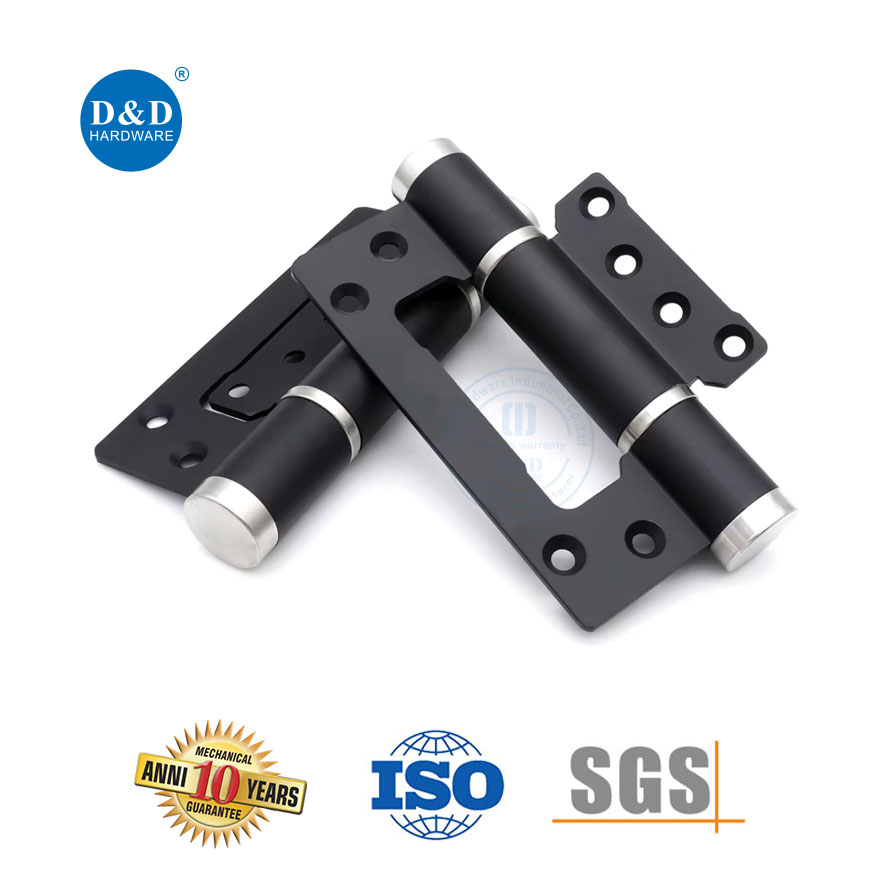
Comparing Hydraulic Hinges with Traditional Hinges
Understanding the difference between hydraulic and traditional hinges can help clarify their value.
| Feature | Hydraulic Hinges | Traditional Hinges |
| Closing mechanism | Controlled (soft close) | Uncontrolled |
| Noise level | Low | High (possible slamming) |
| Safety | High | Moderate |
| Installation | Slightly complex | Simple |
| Cost | Higher upfront | Lower upfront |
| Maintenance | Moderate | Low |
While hydraulic hinges involve a higher initial investment, they deliver superior performance and long-term value, especially in premium or high-use environments.
Common Mistakes to Avoid
Even experienced buyers sometimes overlook key aspects when selecting hydraulic hinges. Avoid these common mistakes:
• Choosing hinges based solely on price rather than performance
• Ignoring door weight specifications
• Overlooking environmental factors such as humidity
• Selecting non-adjustable hinges for variable applications
• Using standard hinges for specialized doors like glass or fire-rated doors
A well-informed selection process minimizes maintenance issues and replacement costs.
Future Trends in Hydraulic Hinge Technology
The hydraulic hinge market continues to evolve with advancements in engineering and design. Some emerging trends include:
• Improved sealing technology to prevent oil leakage
• More compact and concealed designs
• Smart integration with automatic door systems
• Enhanced durability with higher cycle testing standards
• Eco-friendly hydraulic fluids
These innovations aim to deliver better performance, longer lifespan, and greater design flexibility.
FAQ: Hydraulic Hinges for Soft Closing Doors
Q1: How long do hydraulic hinges typically last?
A high-quality hydraulic hinge can last over 200,000 cycles or more, depending on usage and environmental conditions.
Q2: Can hydraulic hinges be adjusted after installation?
Yes, most modern hydraulic hinges offer adjustable closing speed and damping control for fine-tuning performance.
Q3: Are hydraulic hinges suitable for heavy commercial doors?
Yes, but you must choose heavy-duty models specifically designed for high load capacities.
Q4: What causes hydraulic hinges to fail?
Common causes include oil leakage, overloading, poor installation, and low-quality sealing components.
Q5: Do hydraulic hinges require regular maintenance?
Minimal maintenance is needed, but periodic inspection for leakage and performance is recommended.
Conclusion
Choosing the right hydraulic hinge for soft closing doors involves more than selecting a product—it requires a clear understanding of your door specifications, application environment, and performance expectations. From load capacity and material compatibility to adjustability and durability, every factor plays a role in ensuring optimal performance.
A well-chosen hydraulic hinge not only enhances door functionality but also contributes to safety, aesthetics, and long-term cost efficiency. By carefully evaluating your requirements and avoiding common mistakes, you can achieve a reliable and high-performance door system that meets modern standards.