

Replacing a door lock may seem like a simple task, but achieving a smooth, secure installation requires attention to detail. Whether you are upgrading for security, repairing a faulty lock, or changing locks after moving into a new home, this guide will provide step-by-step instructions to ensure the process is straightforward and effective. By the end of this article, you will understand not just the “how,” but also the “why” behind each step.
Understanding Door Lock Types
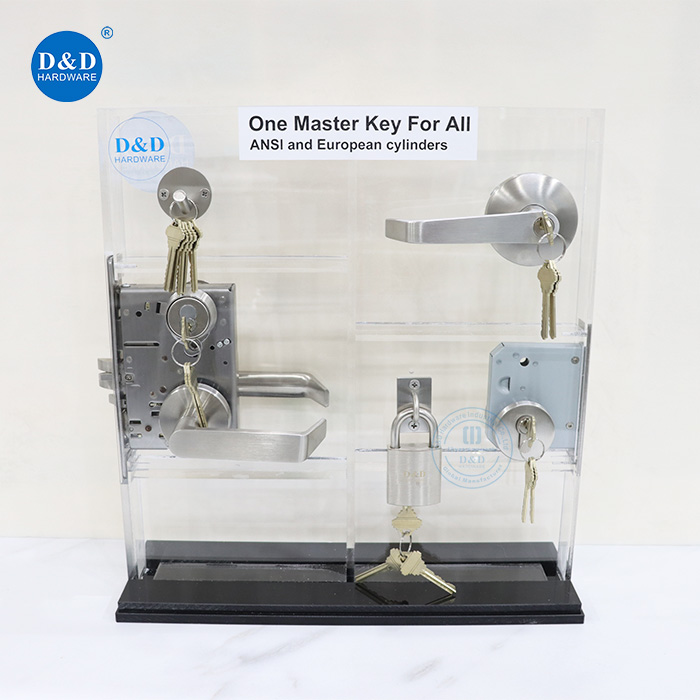
Before attempting a lock replacement, it is essential to identify the type of lock installed on your door. Knowing the type helps ensure compatibility with the replacement and can prevent common mistakes during installation.
• Deadbolt Locks: Deadbolts are among the most secure types of locks, commonly used on exterior doors. They typically have a key cylinder on the exterior side and a thumb turn on the interior side. A single-turn deadbolt extends a solid metal bolt into the door frame, providing resistance against forced entry. Replacing a deadbolt usually requires more precise alignment because the bolt must extend fully without binding.
• Knob Locks: These locks combine the handle and lock mechanism in one unit. Knob locks are often used on interior doors or secondary entrances. While easy to operate, they provide moderate security. When replacing a knob lock, pay attention to the backset—the distance from the edge of the door to the center of the lock—to ensure the new knob fits correctly.
• Lever Handle Locks: Lever handles are popular on interior doors because they are easy to operate and accessible for people with limited mobility. Some lever handles are keyed for added security, while others are privacy locks without a key. Installing a lever handle lock may require aligning the spindle carefully to ensure smooth operation.
• Smart Locks: Modern smart locks offer keyless entry and often integrate with home automation systems. Replacing smart locks may involve removing batteries, programming new codes, or syncing with an app. Understanding your smart lock’s specific requirements is crucial to avoid malfunctions during installation.
Identifying your lock type will also help you choose a high-quality replacement that matches your door’s existing design and functionality.
Tools and Materials Needed
Having the correct tools ready before starting your project can prevent delays and errors. Here’s a detailed breakdown:
• Screwdrivers (Phillips and Flathead): These are essential for removing and installing screws on both the door and the lock mechanism. Some locks may include specialized screws, so having a variety of screwdrivers ensures compatibility.
• Tape Measure: Accurate measurements are critical. You’ll need to verify backset distances, the diameter of existing holes, and the alignment of the latch and strike plate. Even small measurement errors can prevent the lock from functioning smoothly.
• Hammer and Chisel: These tools help adjust the door mortise or strike plate if minor modifications are necessary. A chisel allows precise adjustments to recess the latch or strike plate so the lock sits flush with the door and frame.
• Drill: Some locks may require new holes for screws or a different backset. A drill ensures holes are straight and clean, which is important for the security and longevity of the lock.
• Replacement Lock Set: Always choose a lock set from a trusted manufacturer. High-quality locks provide durability, corrosion resistance, and smooth operation over time. Keep the keys ready for keyed locks, or ensure the digital components are prepared for smart locks.
Having these tools on hand before starting saves time and helps avoid frustration during installation.
Step-by-Step Door Lock Replacement
Step 1: Remove the Existing Lock
Start by opening the door and removing screws from the interior side of the existing lock. Carefully separate the door knob or handle from the door, taking care not to scratch the surface. Remove the latch mechanism from the edge of the door.
For deadbolts, remove screws from the interior plate and gently pull the exterior and interior assemblies apart. Inspect the door and frame for wear or damage. A worn mortise or frame can cause the new lock to bind or not fit securely. Keeping screws and small parts organized allows you to reference them if needed for the new installation.
Step 2: Prepare the Door for the New Lock
Check if the existing holes align with the new lock. Many replacement locks are standardized, but minor adjustments may be required. Use a chisel to widen the mortise or adjust the strike plate recess for a flush fit.
Measure the backset carefully, as incorrect placement can cause the latch or bolt to fail. For doors without pre-drilled holes, mark the positions for drilling with a pencil. Accurate measurements prevent misalignment, which can lead to malfunctioning locks and reduced security.
Step 3: Install the New Latch Mechanism
Insert the latch into the door edge and ensure the faceplate sits flush. Secure it with screws, being careful not to overtighten, which can warp the plate. Test the latch manually by turning it to confirm it moves freely.
For deadbolts, insert the bolt into the mortise, align it properly, and secure it with screws. The bolt should extend fully without sticking. Adjust the position slightly if needed to ensure smooth operation and maximum security.
Step 4: Attach the Exterior and Interior Lock Components
Position the exterior assembly, aligning it with the latch or bolt. Insert the spindle or connecting rod through the latch mechanism and attach the interior assembly. Tighten all screws securely, but avoid over-tightening as this can make operation stiff or damage the door surface.
For smart locks, follow the manufacturer’s instructions to connect electronic components or insert batteries. Test both manual and electronic operation before finalizing. Confirm that the key turns smoothly or the thumb turn engages fully.
Step 5: Install or Adjust the Strike Plate
The strike plate on the door frame is critical for proper latch engagement. Align it with the latch or deadbolt and screw it into place. If needed, use a chisel to recess the plate for a flush fit. Proper alignment ensures smooth operation and prevents wear on both the lock and the door frame.
Check that the latch or deadbolt enters the strike plate smoothly without force. Misaligned strike plates can cause jams, security vulnerabilities, or damage to the door frame over time.
Step 6: Test and Fine-Tune the Lock
After installation, thoroughly test the lock. Turn the key or thumb turn multiple times to ensure smooth engagement. Close and open the door several times, checking that the latch or deadbolt extends fully and retracts without resistance.
If you notice stiffness or misalignment, loosen the screws slightly and adjust. Lubricating the lock with graphite or silicone spray can further improve performance and extend the lock’s lifespan.
Tips for a Successful Door Lock Replacement
1. Choose High-Quality Locks: Selecting locks made from durable materials like stainless steel ensures long-term reliability, corrosion resistance, and smooth operation.
2. Maintain Proper Alignment: Misaligned locks can result in difficulty locking or unlocking, premature wear, and reduced security. Check all components carefully before final tightening.
3. Keep Spare Keys: Always keep extra keys for keyed locks. Losing access to a lock during replacement can create inconvenience and security risks.
4. Follow Manufacturer Instructions: Each lock model has unique requirements. Reading instructions ensures proper installation and prevents damage to the lock or door.
5. Regular Maintenance: Even a high-quality lock benefits from occasional cleaning and lubrication. Regular upkeep ensures smooth operation and prolongs the lock’s life.
Replacing a door lock is a task that improves both security and convenience. By following these detailed steps and taking time to properly measure, align, and test your lock, you can ensure a safe and functional upgrade for your home or office.
Please contact us at any time.
David Jian:
Email:sales@danddhardware.com
Tel / WhatsApp / Wechat:+86-139 2903 7292