

Changing a door lock may seem like a daunting task, especially for those who are not familiar with basic home improvement or locksmith techniques. However, with the right tools, clear instructions, and a little patience, replacing a door lock can be a straightforward process. Whether you are upgrading your home security, moving into a new property, or replacing a faulty lock, understanding the proper steps ensures both safety and efficiency. In this guide, we will explore everything you need to know about changing a door lock, including tools, preparation, different lock types, and installation techniques.
Understanding Your Lock Type
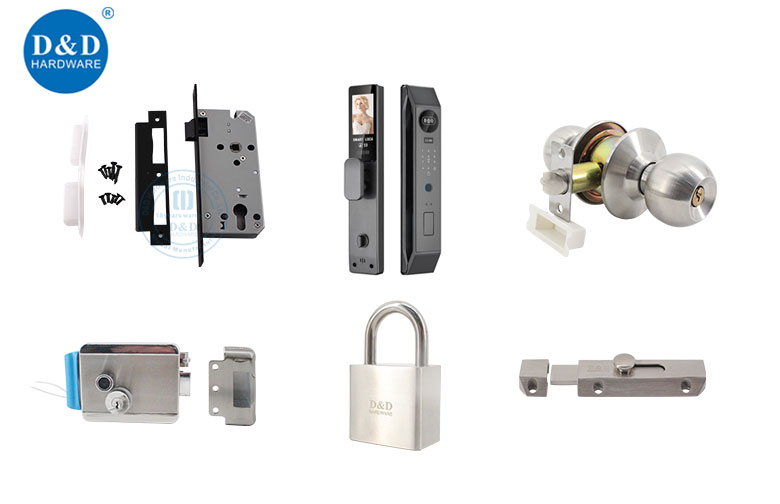
Before attempting to change a door lock, it is crucial to identify the type of lock you currently have. Door locks come in several varieties, including deadbolts, knob locks, lever handle locks, mortise locks, and smart locks. Each type has its own mechanism and installation requirements, which will affect the replacement process.
Deadbolts are among the most common security locks, offering an additional layer of protection beyond a standard latch. They are usually installed above or below a door knob and require a key to operate from the outside. Changing a deadbolt often involves removing screws on the interior side, pulling out the old lock, and fitting the new cylinder and bolt mechanism.
Knob locks and lever handle locks are primarily used on interior doors. Knob locks are commonly found in residential settings and provide basic security, while lever handles offer ease of use and accessibility, especially for commercial environments or homes with elderly residents. Replacing these locks typically involves unscrewing the faceplate, removing the latch assembly, and inserting the new lock mechanism.
Mortise locks are more complex, often found in older homes or commercial buildings. They require a pocket, or mortise, within the door for the lock body to fit. Changing a mortise lock can be more challenging due to its size and installation depth. Measuring the existing mortise accurately before purchasing a replacement is essential to ensure a proper fit.
Smart locks are a modern alternative that often combines electronic keypads, Bluetooth, or Wi-Fi connectivity. While installing a smart lock may seem intimidating, most modern models are designed for straightforward retrofitting, allowing homeowners to replace traditional locks without major door modifications.
Essential Tools for Lock Replacement
Having the right tools on hand will make changing a door lock much smoother and prevent unnecessary damage to your door. Essential tools include:
• Screwdrivers: Both Phillips and flathead screwdrivers are commonly required, depending on the screws of your lock.
• Measuring tape: To verify the correct backset (distance from the edge of the door to the center of the lock) and ensure compatibility of the new lock.
• Chisel and hammer: Sometimes needed when adjusting the door frame or mortise to accommodate a new lock.
• Power drill: Useful for creating new holes or enlarging existing ones, especially when installing a lock with a different diameter.
• Replacement screws and lock components: Ensure that you have all parts supplied with the new lock before starting the installation.
Preparation and proper tool selection are critical because forcing a lock into place or using incorrect screws can compromise both functionality and security.
Step-by-Step Guide to Changing a Door Lock
Changing a door lock involves a series of methodical steps to ensure safety and proper alignment. The following instructions cover a standard cylindrical lock or deadbolt replacement for residential doors:
1. Remove the Old Lock
Start by unscrewing the interior knob or lever using a screwdriver. Carefully pull the two halves of the lock apart. Remove the latch mechanism from the door edge, making sure to take note of its orientation. For deadbolts, remove the mounting screws from the interior side and gently pull the lock cylinder and bolt out of the door.
2. Prepare the Door for the New Lock
Check that the new lock fits the existing borehole. Measure the backset to ensure compatibility. If the new lock differs in size, you may need to enlarge the hole using a drill or chisel the mortise slightly to fit the latch plate flush with the door edge. Be precise—improper alignment can prevent the lock from operating smoothly.
3. Install the Latch or Deadbolt
Insert the latch mechanism into the door edge, making sure the beveled side of the latch faces the door jamb. Secure the latch with screws provided by the manufacturer. For deadbolts, insert the bolt assembly and ensure it slides freely before tightening screws.
4. Attach the Lock Cylinder or Knob
Place the exterior and interior halves of the lock onto the door, aligning the spindle or tailpiece with the latch mechanism. Insert and tighten screws gradually, checking that the lock operates smoothly before fully securing all components. For smart locks, follow manufacturer instructions to connect electronic components and calibrate the locking mechanism.
5. Test the Lock
After installation, test the lock multiple times from both sides of the door. Check for smooth operation, proper engagement with the strike plate, and alignment with the door frame. Make adjustments as needed to ensure that the lock functions reliably without sticking or requiring excessive force.
Common Challenges and Troubleshooting
Even with proper preparation, replacing a door lock can encounter obstacles. Some common issues include:
• Misaligned latch or strike plate: If the latch does not align with the strike plate, the door may not lock correctly. Adjust the strike plate position or chisel the door frame slightly to correct alignment.
• Loose screws: Ensure that all screws are tightened securely, but avoid overtightening, which can warp the lock mechanism.
• Incorrect backset: Using a lock with an incompatible backset can prevent proper latch operation. Verify measurements before purchasing a replacement lock.
• Door thickness issues: Some locks are designed for doors of specific thicknesses. If your door is unusually thick or thin, you may need a specialized lock model.
Addressing these issues promptly ensures that your door lock provides the intended security and longevity.
Tips for Maintaining Door Locks
Replacing a lock is only part of maintaining a secure door system. To prolong the life of your locks and keep them functioning smoothly, consider the following tips:
• Lubricate the mechanism: Use a graphite or silicone-based lubricant on the latch and keyway to reduce friction and prevent jamming. Avoid oil-based lubricants as they can attract dust and debris.
• Check alignment regularly: Doors can settle over time, causing slight misalignment between the latch and strike plate. Inspect and adjust periodically.
• Inspect screws and hardware: Tighten loose screws and replace any worn or rusted components to maintain structural integrity.
• Upgrade when necessary: If your lock is old, worn, or no longer meets modern security standards, upgrading to a more robust mechanical or electronic lock can enhance safety.
When to Call a Professional Locksmith
While many homeowners can successfully replace a standard knob or deadbolt, certain scenarios may require professional assistance:
• Complex lock types: Mortise locks, multi-point locks, and high-security systems may require specialized tools and expertise.
• Damaged doors: If the door frame or borehole is damaged, improper installation can compromise both function and security.
• Smart lock integration: Electronic locks with advanced features may need calibration, wiring, or software configuration that exceeds DIY capabilities.
• Commercial or high-security applications: For office buildings, hospitals, or public facilities, professional installation ensures compliance with safety codes and fire-rated lock requirements.
A professional locksmith can also provide advice on the best lock type for your door and ensure that all components meet local building and security standards.
Conclusion
Changing a door lock is a manageable task that improves home security, enhances convenience, and allows for customization based on your specific needs. By understanding the type of lock, gathering the necessary tools, following precise installation steps, and addressing potential challenges, homeowners and business owners alike can successfully replace door locks. Regular maintenance, careful alignment, and professional consultation when needed will ensure that your locks remain reliable, secure, and functional for years to come.
Whether you are replacing a traditional deadbolt, upgrading to a modern smart lock, or installing a new commercial-grade lock, following these guidelines guarantees both security and peace of mind. Remember, a well-installed door lock is not just a convenience—it is a vital part of protecting your property and loved ones.
Please contact us at any time.
David Jian:
Email:sales@danddhardware.com
Tel / WhatsApp / Wechat:+86-139 2903 7292