

Choosing the right door lock is one of the most important decisions in any residential, commercial, or industrial building project. A door lock is not only a security device; it also affects daily usability, compliance with building regulations, aesthetic consistency, and long-term maintenance costs. With so many lock types, materials, security grades, and application scenarios available, understanding how to pick a door lock correctly can help prevent costly mistakes and ensure the door system performs as intended throughout its lifecycle.
This guide explains how to pick a door lock step by step, focusing on real-world use cases, performance requirements, and professional selection criteria rather than marketing hype. Whether the lock is for a home entrance, office building, hotel, hospital, or industrial facility, the principles below will help you make an informed and practical choice.
Understand the Door Type and Installation Environment
The first step in learning how to pick a door lock is understanding the door itself. A lock must be compatible with the physical structure of the door, otherwise even the most advanced locking mechanism will fail to perform properly. Door material, thickness, and opening direction all influence lock selection.
Wooden doors typically allow for a wide range of mortise locks, cylindrical locks, and tubular locks. Metal doors, commonly used in commercial and industrial buildings, usually require locks designed for higher strength and precise cutouts. Glass doors demand specialized locks that clamp or patch onto the glass without drilling through critical stress areas.
Environmental factors also play a significant role. Doors exposed to outdoor conditions, coastal climates, or high humidity require corrosion-resistant lock materials and finishes. Interior doors, on the other hand, may prioritize smooth operation and visual consistency over extreme durability.
When evaluating the environment, consider:
• Indoor or outdoor installation
• Exposure to moisture, salt air, or chemicals
• Frequency of use and traffic level
• Noise control requirements in offices, hotels, or healthcare facilities
By matching the lock to the door type and environment, you establish a solid foundation for long-term performance and reliability.
Identify the Purpose and Security Level Required
Not all doors need the same level of security. One of the most common mistakes when picking a door lock is either over-specifying or under-specifying security features. The correct choice depends on what the door is protecting and who will be using it.
For example, a bedroom or internal office door may only need privacy and basic access control, while a main entrance door requires strong resistance against forced entry. Emergency exits must prioritize fast egress over high security, while still preventing unauthorized access from outside.
When determining security needs, think in terms of function rather than product names. Ask what the lock must achieve in daily use and in exceptional situations.
Key considerations include:
• Is the lock for privacy, security, or controlled access?
• Will the door be locked most of the time or only occasionally?
• Is fast emergency exit required?
• Does the building have security policies or insurance requirements?
Once the required security level is clear, it becomes much easier to narrow down suitable lock types without unnecessary complexity.
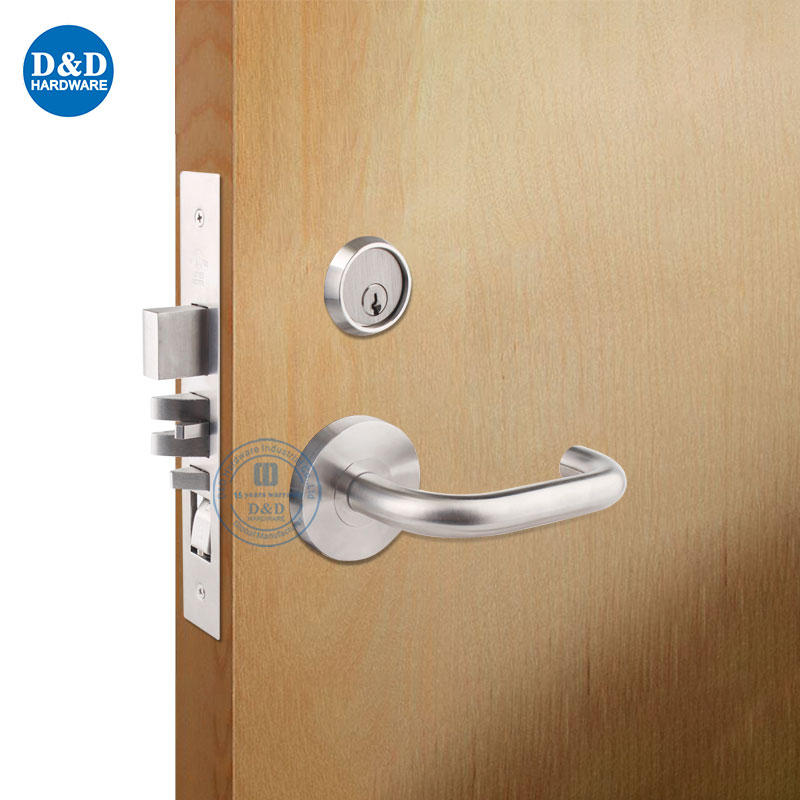
Choose the Right Door Lock Type
Understanding different door lock types is essential when deciding how to pick a door lock that fits your project. Each lock type is designed for specific applications, usage frequency, and security expectations.
Mortise locks are widely used in commercial and high-end residential projects. They are installed into a pocket within the door and offer excellent strength, stability, and compatibility with various handles and cylinders. Mortise locks are ideal for heavy-use environments such as offices, hotels, and public buildings.
Cylindrical locks are easier to install and are commonly found in residential and light commercial settings. They combine the latch and locking mechanism into a single bored hole, making them cost-effective and widely available.
Rim locks and surface-mounted locks are often used on doors where internal installation is not possible. These locks are visible on the door surface and are sometimes selected for renovation projects or traditional architectural styles.
Smart locks and electronic locks are increasingly popular in modern buildings. They offer features such as keyless entry, access logs, and remote control. However, they must be carefully evaluated for power supply, compatibility, and long-term maintenance.
Choosing the right lock type ensures that installation, usage, and future servicing remain practical and cost-efficient.
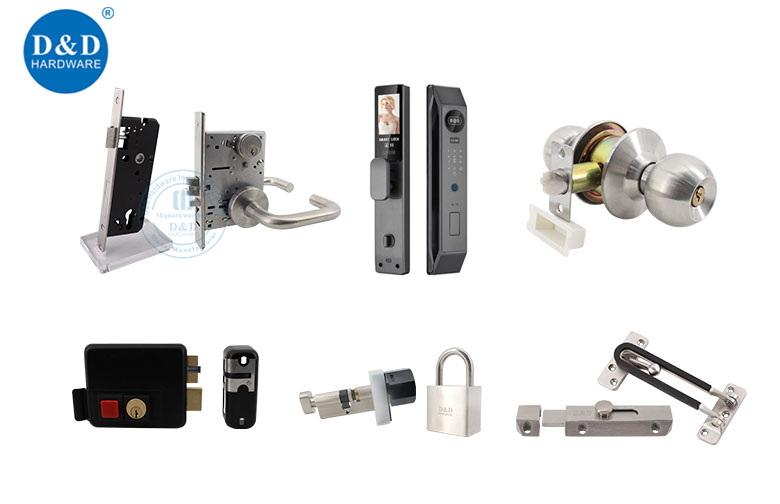
Evaluate Lock Materials and Durability
Material quality directly affects the lifespan and performance of a door lock. When learning how to pick a door lock, it is important to look beyond appearance and focus on internal components as well as external finishes.
High-quality door locks typically use stainless steel or solid metal components for load-bearing and moving parts. These materials offer better resistance to wear, corrosion, and deformation over time. Locks installed in high-traffic areas such as office corridors or hotel guest rooms must withstand thousands of cycles without failure.
Finishes also matter, especially in projects where multiple door hardware components need to match visually. Consistent finishes help maintain a unified architectural style while also providing surface protection.
Durability considerations include:
• Resistance to corrosion and rust
• Strength of internal springs and latch mechanisms
• Wear resistance under frequent use
• Finish stability over time
A durable lock reduces maintenance costs, improves user experience, and enhances the overall value of the door hardware system.
Consider User Experience and Daily Operation
A door lock is touched and operated multiple times every day, so user experience should never be overlooked. Even a highly secure lock can become a problem if it is difficult to operate or uncomfortable to use.
Smooth latch action, consistent key turning, and reliable engagement are all signs of a well-designed lock. In public or shared spaces, ease of use is particularly important to avoid misuse or damage. For example, in hotels or offices, guests and staff should be able to operate the lock intuitively without instructions.
Accessibility is another important factor. In many regions, building standards require door hardware to be operable with minimal force and without tight grasping or twisting.
When evaluating user experience, think about:
• How the lock feels during operation
• Whether it suits all users, including elderly or disabled individuals
• Noise level during opening and closing
• Compatibility with door handles and other hardware
A lock that works smoothly every day contributes to positive building perception and long-term satisfaction.
Match the Lock to Building Codes and Project Requirements
For commercial and public buildings, compliance is a critical part of how to pick a door lock. Locks must often meet local building regulations, fire safety requirements, and project-specific specifications.
Fire-rated doors, for example, require locks that are compatible with the fire performance of the door assembly. Emergency exit doors may require panic functions or fail-safe unlocking in certain situations. Healthcare and educational buildings often have additional safety and access control rules.
Instead of treating compliance as an afterthought, it should be considered early in the selection process. This avoids costly replacements and delays during inspection or handover.
Professional lock selection always balances:
• Functional requirements
• Safety and compliance
• Long-term operational reliability
By aligning lock choice with project requirements from the beginning, you ensure a smoother installation and approval process.
Think Long Term: Maintenance, Replacement, and Scalability
Finally, picking a door lock should not focus only on initial installation. Long-term maintenance, spare part availability, and future upgrades are equally important, especially in large projects.
Locks that use standardized components are easier to service and replace. In multi-door projects such as hotels or office buildings, consistency across lock models simplifies inventory management and staff training.
Scalability also matters. A building may later require access control upgrades, master key systems, or integration with electronic systems. Choosing locks that support future expansion helps protect the original investment.
Long-term thinking includes:
• Ease of maintenance and servicing
• Availability of replacement parts
• Compatibility with future access systems
• Consistent performance over years of use
A well-chosen door lock is not just a product, but a long-term solution that supports the building throughout its lifecycle.
Conclusion
Understanding how to pick a door lock involves more than selecting a lock based on appearance or price. It requires careful consideration of the door type, security needs, lock structure, material quality, user experience, compliance requirements, and long-term performance. By approaching lock selection methodically and focusing on real application needs, you can choose a door lock that delivers safety, durability, and usability in any environment.
Whether for residential homes, commercial buildings, or specialized facilities, the right door lock plays a crucial role in creating secure, functional, and well-designed spaces.
Please contact us at any time.
David Jian:
Email:sales@danddhardware.com
Tel / WhatsApp / Wechat:+86-139 2903 7292