

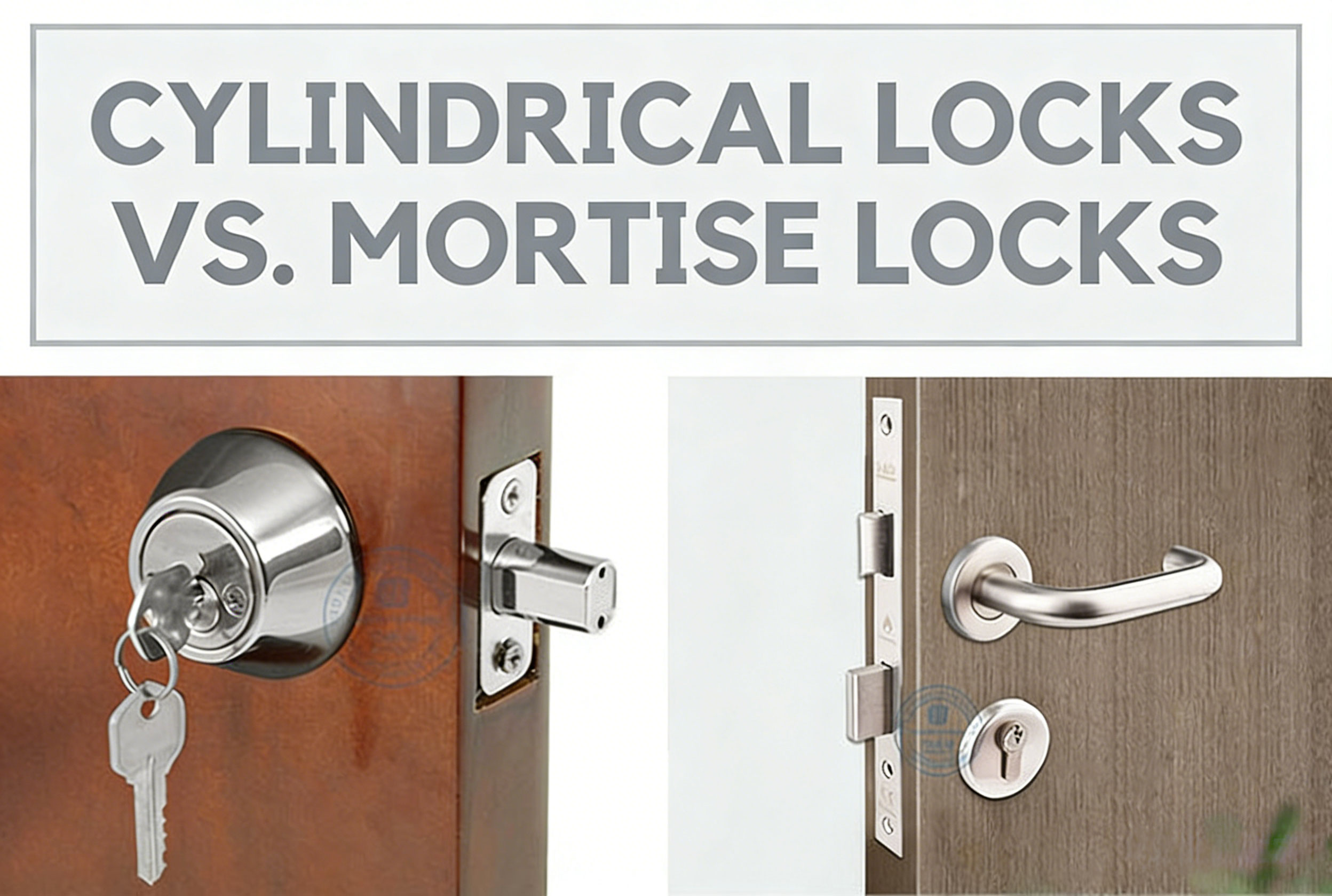
Choosing the right door lock is a critical decision for commercial buildings, offices, hotels, schools, and public facilities. The lock you select not only determines the level of security but also affects durability, maintenance costs, and long-term usability. Among the most widely used commercial locking systems are mortise locks and cylindrical locks. Each type has its own structural design, installation method, and performance characteristics.
For architects, contractors, distributors, and facility managers, understanding the differences between these two lock types is essential when specifying door hardware for commercial projects. While both are designed to secure doors effectively, they serve different needs depending on factors such as traffic volume, door material, security requirements, and budget.
This article provides a detailed comparison of mortise locks and cylindrical locks from a commercial buyer’s perspective, covering structure, durability, installation, cost considerations, and common applications. By the end, you will have a clear understanding of which door lock type best fits your project requirements.
Understanding Mortise Lock
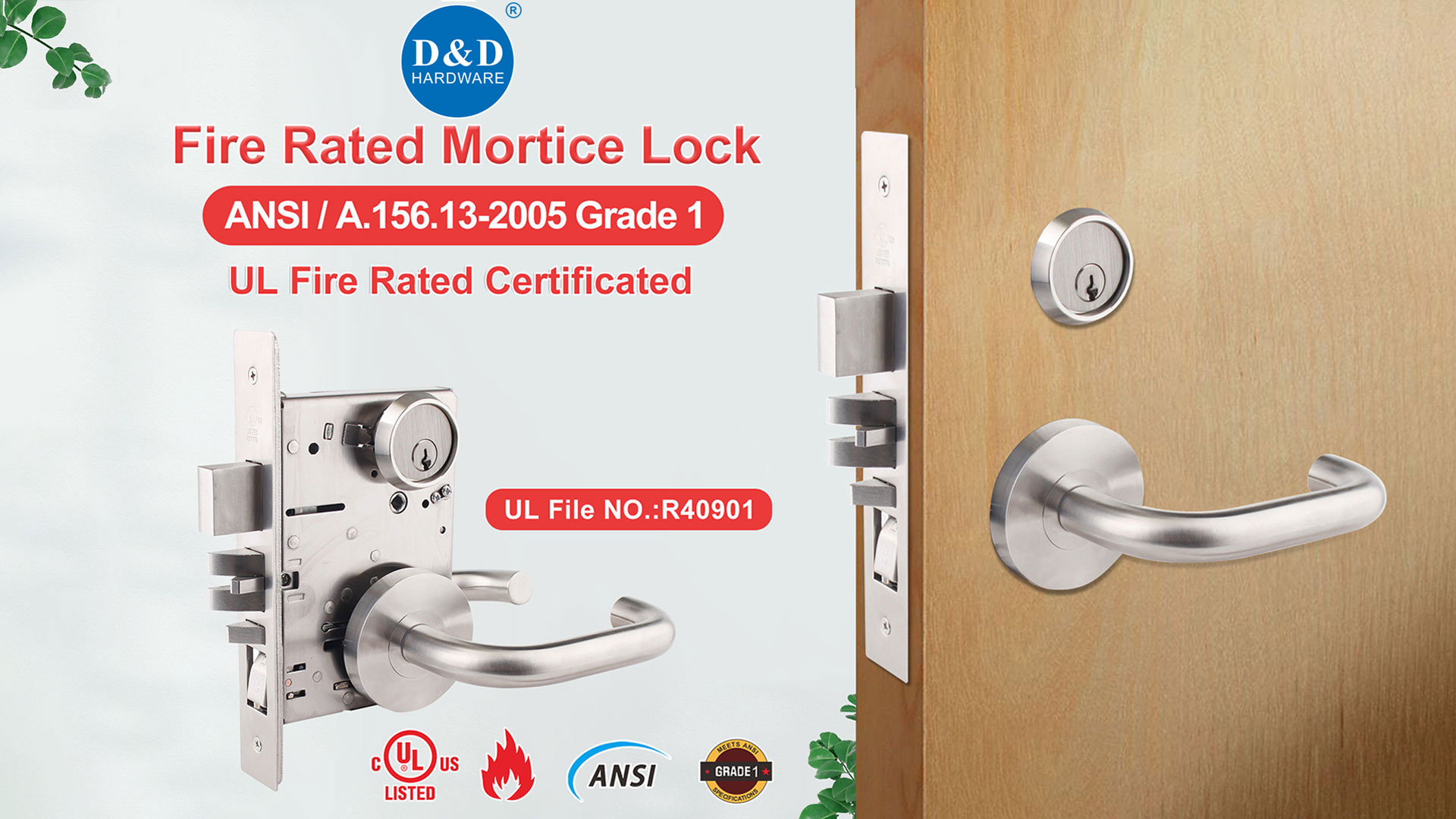
A mortise lock is a type of lock that is installed inside a pocket (called a mortise) cut into the edge of a door. The lock body is fully embedded within the door, allowing multiple components such as the latch, deadbolt, and internal mechanisms to be integrated into a single, compact housing.
Mortise locks are commonly used in commercial buildings because of their strength and versatility. Since the internal components are larger and more robust than those found in cylindrical locks, mortise locks can handle heavy usage and provide higher security.
One key feature of mortise locks is their modular design. In many cases, they allow different trim styles such as lever handles, knobs, or escutcheon plates to be installed while keeping the internal lock body the same. This flexibility makes them a preferred option in large commercial projects where consistent hardware standards are required.
Common characteristics of mortise locks include:
♦ Integrated latch and deadbolt mechanisms
♦ Heavy-duty internal construction
♦ Higher security level for commercial buildings
♦ Compatibility with access control systems
♦ Suitable for high-traffic environments
Because the lock body sits inside the door, mortise locks require precise door preparation during installation. However, once installed, they offer excellent strength and long service life.
Understanding Cylindrical Locks
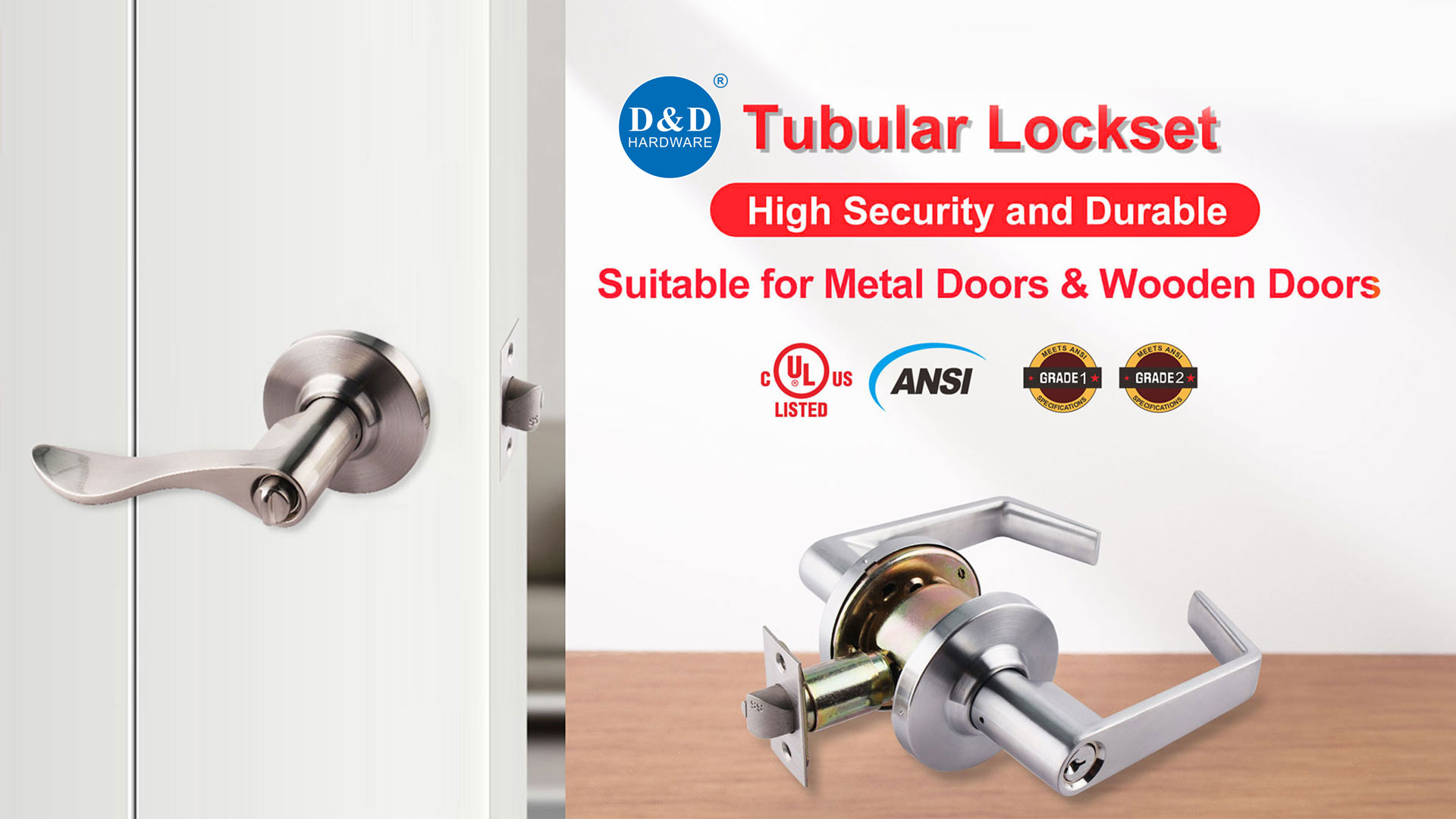
Cylindrical locks, sometimes called bored locks, are one of the most widely used lock types in both residential and light commercial applications. Instead of fitting inside a pocket in the door, cylindrical locks are installed through drilled holes in the door face and edge.
The installation process is relatively simple and requires only two primary holes: one for the lockset and one for the latch. This straightforward design makes cylindrical locks quick to install and easy to replace.
Cylindrical locks typically consist of several components:
♦ The lock chassis, which houses the locking mechanism
♦ The latch bolt, which secures the door
♦ The cylinder, which operates the lock with a key
♦ The lever or knob, used to open the door
Because of their simpler construction, cylindrical locks are generally more affordable than mortise locks. They are commonly used in offices, classrooms, retail stores, and interior commercial doors where moderate security is sufficient.
However, cylindrical locks often have smaller internal components compared to mortise locks, which may affect long-term durability in high-traffic environments.
Structural Differences Between Mortise and Cylindrical Locks
The most obvious difference between mortise locks and cylindrical locks lies in their internal structure and installation method.
A mortise lock features a rectangular lock body that fits into a pocket cut into the door. This design allows multiple locking functions—such as latch and deadbolt—to operate within a single unit. The internal components are usually larger and stronger, providing greater mechanical stability.
Cylindrical locks, on the other hand, use a tubular chassis that fits through bored holes in the door. The latch mechanism is separate from the lock chassis and typically smaller in size.
From a structural standpoint, mortise locks offer several advantages:
♦ Larger internal components that withstand heavy use
♦ Integrated locking functions in a single housing
♦ Stronger connection between lock and door structure
Cylindrical locks provide benefits in other areas:
♦ Simpler mechanical structure
♦ Faster installation
♦ Lower manufacturing and replacement costs
For commercial buyers, the choice often depends on whether long-term durability or installation simplicity is the higher priority.
Durability and Performance in High-Traffic Areas
Durability is one of the most important considerations in commercial hardware selection. Doors in offices, hospitals, schools, and public buildings can be opened thousands of times each day.
Mortise locks are widely regarded as the most durable mechanical lock type for commercial applications. Their heavy-duty construction allows them to handle high-traffic environments without significant wear.
Key durability advantages of mortise locks include:
♦ Thicker metal lock bodies
♦ Stronger springs and internal mechanisms
♦ Longer operational lifespan
♦ Better resistance to forced entry
Because of these features, mortise locks are often specified for main entrances, hotel doors, institutional buildings, and security-sensitive environments.
Cylindrical locks, while durable enough for many commercial settings, generally perform best in medium-traffic applications such as:
♦ Interior office doors
♦ Conference rooms
♦ Storage rooms
♦ Retail shop entrances
In extremely high-traffic situations, cylindrical locks may require more frequent maintenance or replacement.
Installation and Maintenance Considerations
Installation complexity is another major factor that affects purchasing decisions.
Mortise locks require precise door preparation, including cutting a mortise pocket into the door edge. This process usually requires specialized tools and skilled installers. Because of this, the initial installation cost can be higher.
However, once installed, mortice lock are often easier to maintain. Many commercial mortise lock designs allow individual components to be replaced without removing the entire lock body.
Cylindrical locks, by contrast, are known for their quick and easy installation. Most doors can be prepared using standard drilling templates, and lock replacement typically takes only a few minutes.
Maintenance differences include:
Mortise locks
♦ Longer lifespan
♦ Replaceable internal components
♦ More complex repairs
Cylindrical locks
♦ Easy to replace entirely
♦ Lower repair complexity
♦ May require more frequent replacement
For property managers handling large numbers of doors, the simplicity of cylindrical locks can sometimes outweigh their shorter lifespan.
Cost Comparison for Commercial Buyers
Cost is always a key consideration in commercial projects, especially when purchasing hardware for hundreds or even thousands of doors.
In general:
Mortise locks have a higher upfront cost, due to their complex construction and heavier materials. The installation process may also increase labor costs.
However, many commercial buyers consider mortise locks to be a long-term investment because they typically last longer and require fewer replacements over time.
Cylindrical locks are more budget-friendly and are widely available across many brands and specifications. Their lower price makes them a practical option for projects where budget constraints are a major concern.
Typical cost considerations include:
Mortise locks
♦ Higher purchase price
♦ Higher installation cost
♦ Longer service life
Cylindrical locks
♦ Lower initial price
♦ Lower installation cost
♦ Shorter replacement cycle
Ultimately, buyers must balance initial cost versus lifecycle value when selecting between these two options.
Typical Applications in Commercial Buildings
Different commercial environments often favor one lock type over the other based on usage requirements.
Mortise locks are commonly used in:
♦ Hotels and hospitality projects
♦ Government buildingsmortise lock
♦ Hospitals and healthcare facilities
♦ High-end office buildings
♦ Institutional facilities
Cylindrical locks are often found in:
♦ Small offices
♦ Interior commercial doors
♦ Retail stores
♦ Educational classrooms
♦ Light-duty commercial spaces
In many large commercial projects, both lock types are used together. For example, a building might use mortise locks on main entrances and cylindrical locks for interior rooms.
This combination allows facility managers to maintain strong security where needed while keeping overall hardware costs under control.
Choosing the Right Lock for Your Project
Selecting between mortise locks and cylindrical locks ultimately depends on the specific needs of your project. Factors such as door usage frequency, security requirements, installation capabilities, and budget all play important roles in the decision.
If your project requires maximum durability, higher security, and long-term reliability, mortise locks are often the preferred solution.
If your priority is cost efficiency, quick installation, and simple maintenance, cylindrical locks can provide an effective and practical alternative.
Commercial buyers, architects, and contractors should carefully evaluate the expected door traffic, building function, and hardware standards before making a final decision. Working with experienced door hardware suppliers can also help ensure the selected lock system meets both performance and safety requirements.
Please contact us at any time.
David Jian:
Email:sales@danddhardware.com
Tel / WhatsApp / Wechat:+86-139 2903 7292