

Door handles are so ubiquitous in our daily lives that we rarely stop to think about the elegant mechanics that operate with just a simple turn or push. Yet, understanding how a door handle works reveals a fascinating interplay of simple machines and precise engineering. This seamless operation is the result of centuries of design evolution, culminating in a device that provides security, privacy, and effortless access. At its core, a door handle's function is to retract a latch or bolt from a strike plate in the door frame, allowing the door to swing open. While designs vary, the fundamental principles remain consistent across most residential and commercial lever handles and knobs. This article will delve into the internal components and the step-by-step mechanics that make this everyday action possible.
The Core Components of a Door Handle
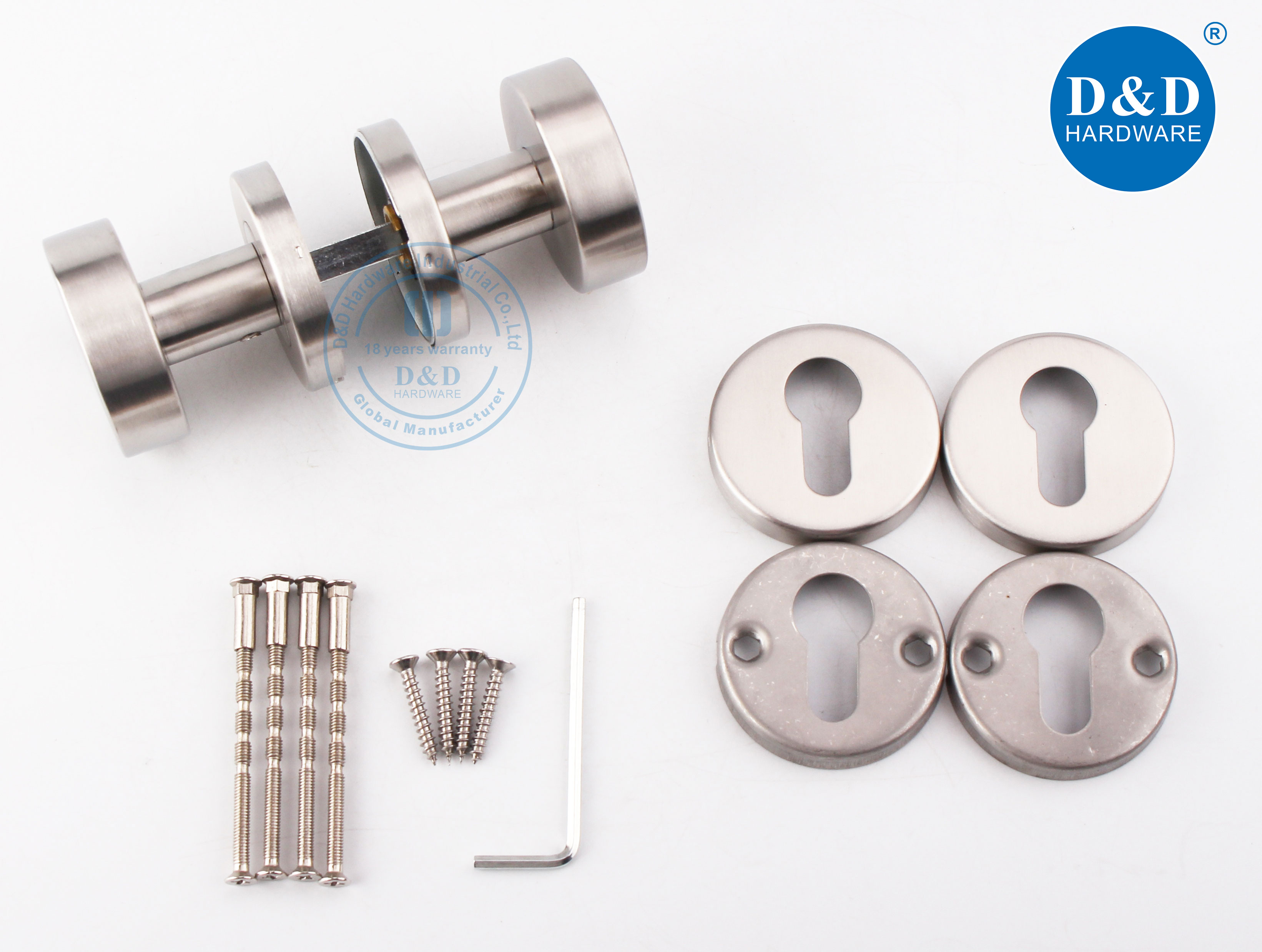
Before exploring the motion, it's essential to identify the key parts that make up a typical door handle set. The visible exterior includes the handle or knob itself, which is attached to a rosette or escutcheon plate. Internally, the most crucial component is the spindle, a square metal bar that connects the interior and exterior handles and passes through the latch assembly. The latch mechanism, housed within the door's edge, contains a spring-loaded bolt that extends into the door frame. This latch is connected to the spindle and is often accompanied by a deadbolt for added security. Inside the handle body, you'll find springs that return the handle to its horizontal position and, in locking handles, a cylinder mechanism that engages or disengages the connection between the handle and the spindle.
The Mechanical Process: From Turn to Latch Retraction
The operation begins when you apply downward pressure on a lever handle or rotate a knob. This force is transferred directly to the spindle. Because the spindle is square, it turns precisely with the handle. As the spindle rotates, it engages with a corresponding square hole inside the latch mechanism. The turning spindle acts on a lever or cam inside the latch body, which converts the rotational force into a linear, horizontal motion. This linear motion pulls the spring-loaded latch bolt directly back into the door's edge, compressing the latch spring. Once the bolt is fully retracted from the strike plate in the frame, the door is free to open. When you release the handle, the internal spring within the handle returns it to its default position. Simultaneously, the spring in the latch assembly pushes the bolt outward, ready to engage the frame once the door closes.
The Role of Locking Mechanisms
For doors requiring privacy or security, the integration of a locking function adds a layer of complexity. In a typical passage set (non-locking), the handle is always directly connected to the spindle and latch. In a privacy or locking handle, a button, turn-piece, or key mechanism controls the engagement. When locked, a small pin or bar is deployed to block the connection between the handle and the spindle. You can turn the handle, but it will rotate freely without turning the spindle, leaving the latch bolt extended. On the opposite side, a push-button or twist mechanism often allows for emergency access. In keyed locksets, a cylinder containing precision pins aligns only with the correct key, allowing the cylinder to turn and retract the bolt independently of the handle.
Variations in Design and Type
While the basic principle is universal, design variations cater to different needs. A standard knob uses a rotational grip, while a lever handle uses a push-down motion, often benefiting accessibility. Mortice latches are common in residential homes, integrated into a door's edge. Euro profile cylinders are standard in many parts of the world, where a separate cylinder mechanism controls the lock. Bathroom privacy handles often have a simple push-button or twist lock on the inside. Commercial-grade handles, like those from our company, are built with heavier-duty materials like solid brass or stainless steel to withstand high-frequency use and offer enhanced security features, such as anti-snap cylinders and reinforced spindles.
Importance of Quality Materials and Precision Engineering
The reliability and longevity of a door handle depend heavily on the quality of its construction. Internal components made from hardened steel resist wear and deformation. High-quality springs, often made from stainless steel, ensure consistent return action over tens of thousands of cycles. Precision machining of the spindle and the internal latch mechanism is critical to smooth, friction-free operation. At our company, we employ rigorous testing to ensure every handle operates flawlessly, providing not just security but also a satisfying tactile experience. A well-engineered handle feels solid and responsive, without wobble or grinding, a direct result of tight tolerances and superior materials.
In conclusion, the humble door handle is a masterpiece of practical mechanical design. Its seamless operation hides a carefully orchestrated sequence where rotational force is converted into linear motion to retract a latch. From the materials chosen to the precision of the internal components, every detail contributes to its function and durability. By choosing door handles engineered with care and quality, you ensure security, accessibility, and reliable performance for years to come—a small detail that makes a significant impact on daily life.
Please contact us at any time.
David Jian:
Email:sales@danddhardware.com
Tel / WhatsApp / Wechat:+86-139 2903 7292