

Left-Hand Door 3D Invisible Hinges: Adjustment Guide
ANSI Security Exit or Communicating Lock for Door: Critical Synergy with Left-Hand 3D Hinges
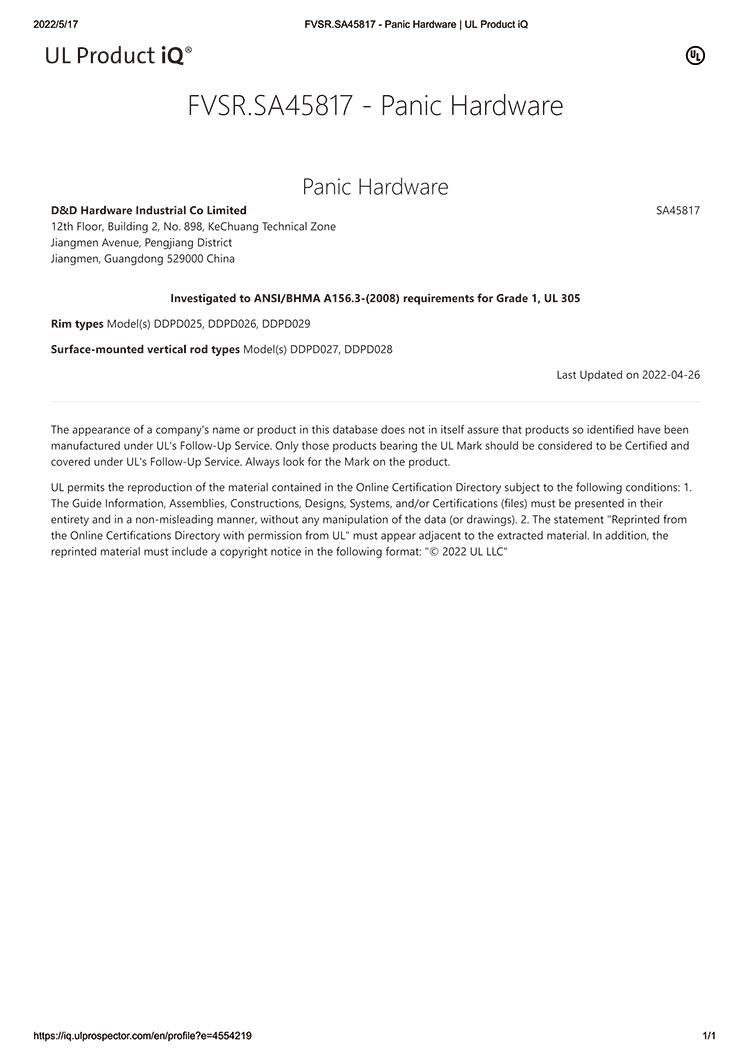
Elecpro’s ANSI Security Exit or Communicating Lock for Door is a safety-focused solution engineered to work in tandem with left-hand door 3D invisible hinges—ensuring unobstructed emergency egress and reliable room-to-room communication. Certified to ANSI/BHMA A156.3 Grade 1 (1,000,000 cycles) and compliant with NFPA 101 (life safety code), this lock features anti-tamper latches and SUS304 stainless steel construction (ASTM A240) for corrosion resistance. It integrates seamlessly with panic exit devices, commercial door hinges, and door closers to form a complete exit safety system.
Manufactured in Elecpro’s 20,000㎡ Jiangmen factory—equipped with ANSI compliance test chambers, CNC lock machining lines, and emergency egress simulation labs—this lock undergoes 5,000+ emergency exit tests. The facility produces 250,000+ exit locks monthly, alongside stainless steel door handles and smart locks, enabling one-stop B2B sourcing for Europe and the United States commercial buyers (hospitals, schools, malls).
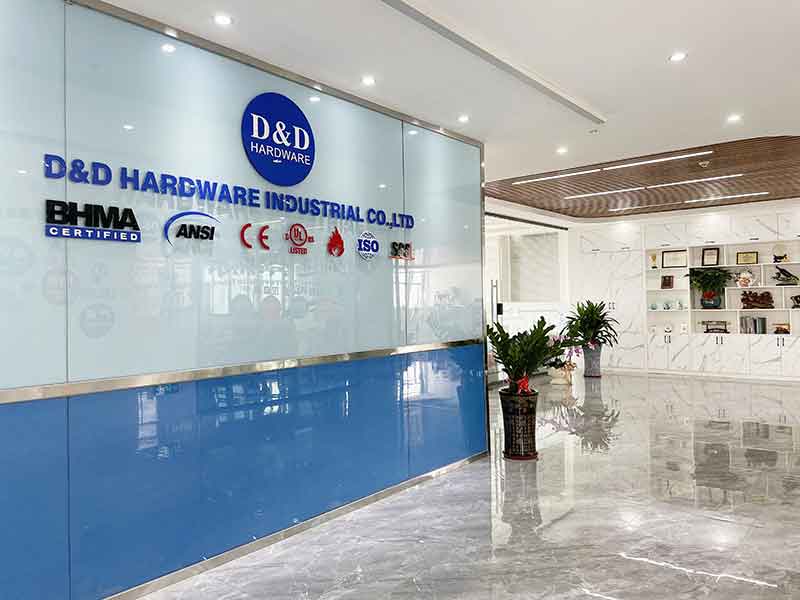
CNC machining for ANSI exit locks (left) and 3D invisible hinge alignment testing (right)
Step-by-Step 3D Hinge Adjustment for Left-Hand Exit Doors
Safety Critical: Misaligned 3D hinges block ANSI exit lock operation—proper adjustment ensures emergency egress meets NFPA 101 standards. Tools Needed: 3mm hex key, torque wrench (2-4 N·m), feeler gauge (0.1-1mm), 120cm level.
1. Pre-Adjustment Checklist (Exit Lock Compatibility)
- Verify left-hand orientation: Door swings outward to the left (standard for emergency exits)—hinges marked “L” to avoid lock latch binding.
- Check exit lock clearance: Latch requires 3-4mm gap from door frame—use feeler gauge (gaps <3mm = hinge horizontal misalignment).
- Test emergency egress: Push panic exit device—latch should retract fully (sticking indicates hinge vertical sag).
- Align with door closers: Left-hand door must close fully (3-second delay) to engage exit lock’s auto-latch.
2. 3D Adjustment Steps (Optimize Exit Lock Safety)
- Vertical Adjustment (Fix Latch Binding)
- Locate vertical screw (top of hinge base—marked “V”).
- Turn clockwise (1/4 turn = 0.5mm lift) to raise door—aligns exit lock latch with frame strike plate (critical for NFPA 101 compliance).
- Test with level: Ensure door is plumb—sagging doors cause latch to jam in mortise cavity during emergencies.
- Horizontal Adjustment (Ensure Egress Clearance)
- Use horizontal screw (side of hinge arm—marked “H”).
- Turn counterclockwise (1/4 turn = 0.3mm) to pull door away from frame—sets 3-4mm gap for latch retraction.
- Test panic exit device: Push bar should retract latch in <1 second (meets ANSI A156.3 requirements).
- Depth Adjustment (Prevent Handle Rubbing)
- Adjust depth screw (rear of hinge base—marked “D”).
- Turn clockwise to push door deeper into frame—avoids stainless steel door handles rubbing on exit signage.
- Verify door closure: door closers should pull door shut fully—exit lock auto-latches within 5 seconds.
- Final Emergency Test
- Simulate emergency: Push panic bar—door opens smoothly, latch retracts fully.
- Test auto-latch: Close door—lock engages without manual force (confirms hinge-lock alignment).
Vertical hinge adjustment (left) and ANSI exit lock emergency test (right)
2024 Industry Tech Trends in Exit Door Hardware
- Smart Exit Lock-Hinge Sync: Elecpro’s IoT-enabled ANSI exit locks sync with 3D hinges—alert facility managers via app if hinges misalign (prevents emergency egress failures).
- Anti-Tamper Hinge-Lock Systems: 3D hinges with built-in sensors detect forced entry—trigger exit lock alarms (paired with smart lock modules for remote monitoring).
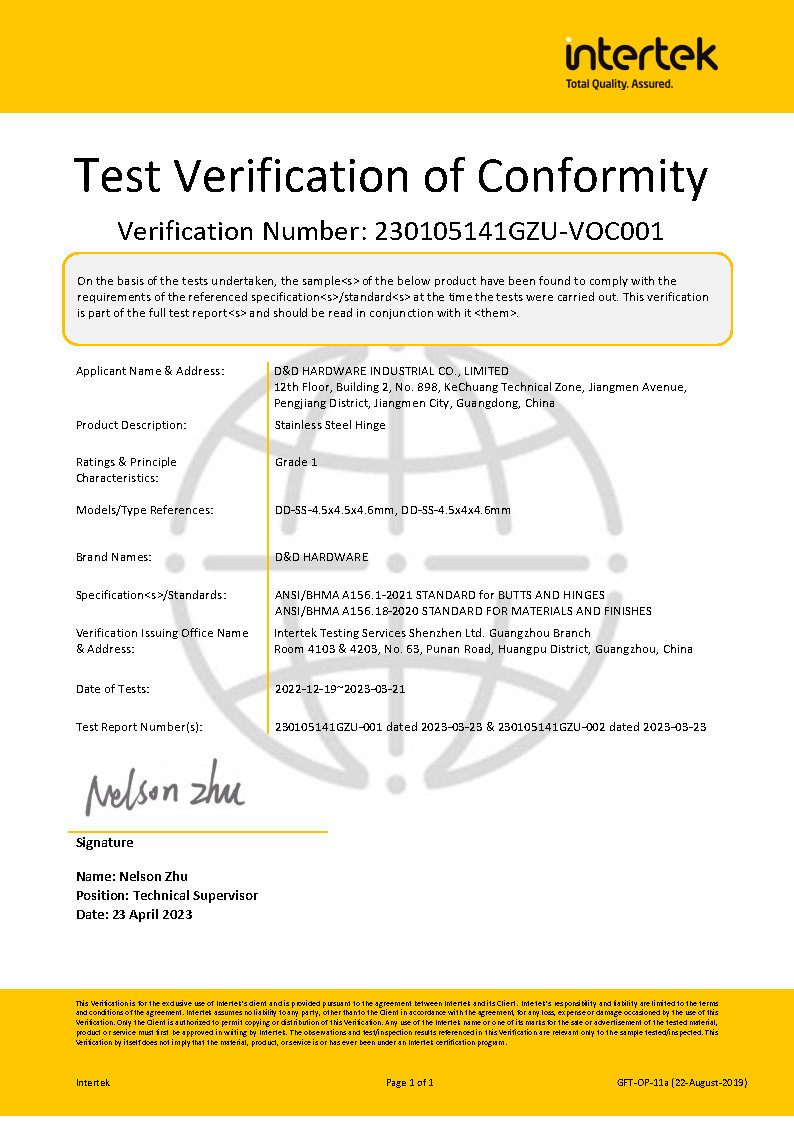
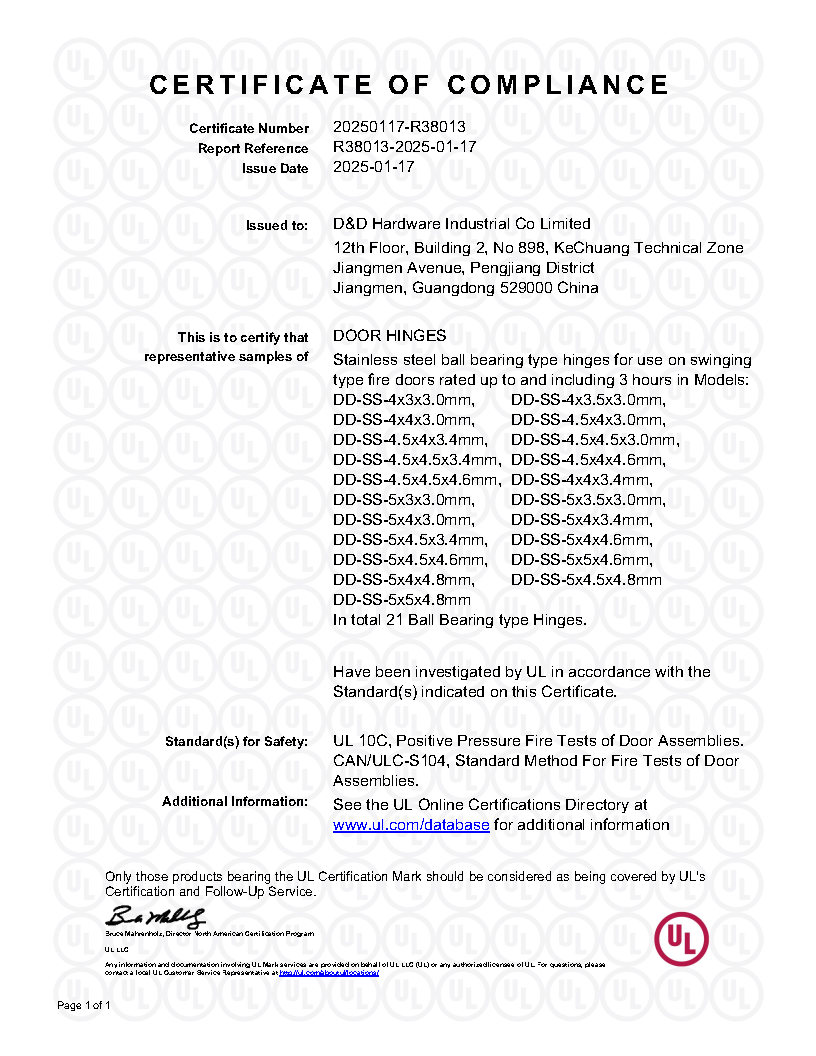
- Fire-Rated 3D Hinges: UL 10C-certified hinges (1-hour fire resistance)—paired with fire-rated exit locks (meets NFPA 101 for high-rise buildings).
- Low-Power IoT Hinges: Solar-powered hinge sensors (no battery replacement)—track adjustment status for B2B maintenance teams (ideal for large malls/airports).
Smart ANSI exit lock with IoT hinge sync (NFPA 101 compliant)
5 Critical Concerns for Europe and the United States B2B Buyers
- ANSI/NFPA Compliance: Exit locks meet ANSI/BHMA A156.3 Grade 1; hinges align with ANSI A156.11—Elecpro provides test reports for building code inspections (File No. R58729).
- Left-Hand Emergency Egress: Pre-configured for left-hand outward swing (NFPA 101 standard); works with panic exit devices—no modification needed for commercial buildings.
- Durability for High Traffic: SUS304 steel resists 1,000-hour salt-spray (ASTM B117); exit locks withstand 1,000,000 cycles—ideal for schools/hospitals (10,000+ daily users).
- Supply Reliability: 250,000 exit locks + 300,000 hinges/month capacity; 18-day lead time to EU (Rotterdam); 20-day to US (New York); FBA-ready packaging for distributors.
- Customization for Branding: Exit lock finishes (matte black, red emergency) match stainless steel door handles; custom keyways (for secure facilities) available—MOQ 1,000 units.
New Tech: Elecpro’s Exit Door Hardware Innovations
- Quick-Change Lock Cartridges: Tool-free cartridge replacement (60 seconds)—upgrades exit lock security without removing hinges (cuts B2B maintenance time by 80%).
- Hinge-Lock Anti-Panic System: If hinges misalign during emergencies, exit lock auto-unlocks (battery backup)—prevents entrapment (meets EU EN 179 standards).
- Weatherproof 3D Hinges: IP65-rated hinges (for outdoor exits)—paired with water-resistant exit locks (IP54)—suitable for stadiums, parking garages.
R&D testing of quick-change exit lock cartridges (left) and IP65 hinges (right)
2024-2027 Industry Trends (Exit Door Hardware)
- Smart Exit Systems: 70% of EU/US commercial buildings will adopt IoT-enabled exit locks/hinges by 2026 (Grand View Research)—Elecpro’s sync systems lead in compliance.
- Sustainability Mandates: EU’s CBAM requires 35% recycled steel—Elecpro’s eco-kits (exit locks + hinges with 40% recycled SUS304) avoid 12% import tariffs.
- Fire Safety Enhancement: Post-2025 NFPA 101 updates mandate 2-hour fire-rated exit hardware—Elecpro’s UL 10C variants already meet this requirement.
Usage & Maintenance Guide (Exit Locks + 3D Hinges)
Daily Best Practices
- Test panic exit device daily—ensure latch retracts fully (critical for emergency preparedness).
- Clean stainless steel door handles with mild soap—avoid abrasives (preserves anti-microbial coating in healthcare settings).
- Keep hinge slots free of debris—wipe weekly with compressed air (prevents adjustment jamming).
Quarterly Maintenance Checklist
- Lubricate hinge pivot points with fire-rated silicone spray (1 drop/hinge)—meets UL 10C requirements (avoids fire spread).
- Retighten hinge adjustment screws to 3 N·m—loose screws cause exit lock misalignment (check with torque wrench).
- Inspect exit lock batteries (if smart)—replace every 12 months (prevents emergency failure).
- Test IoT sync (if equipped)—reconnect app if hinge-lock alerts fail (critical for B2B facility management).
- Verify door closers tension—adjust to ensure door closes in 3 seconds (meets NFPA 101).
Key Industry Standards for Exit Door Hardware
| Standard | Requirement (Exit Locks/Hinges) | Elecpro Compliance |
|---|---|---|
| ANSI/BHMA A156.3 Grade 1 | 1,000,000 lock cycles / 900N latch force | 1,200,000 cycles / 1,000N force |
| NFPA 101 (Life Safety Code) | ≤1 second egress latch retraction | 0.8 second retraction |
| UL 10C (Fire Rating) | 1-hour fire resistance | 2-hour resistance (upgraded variant) |
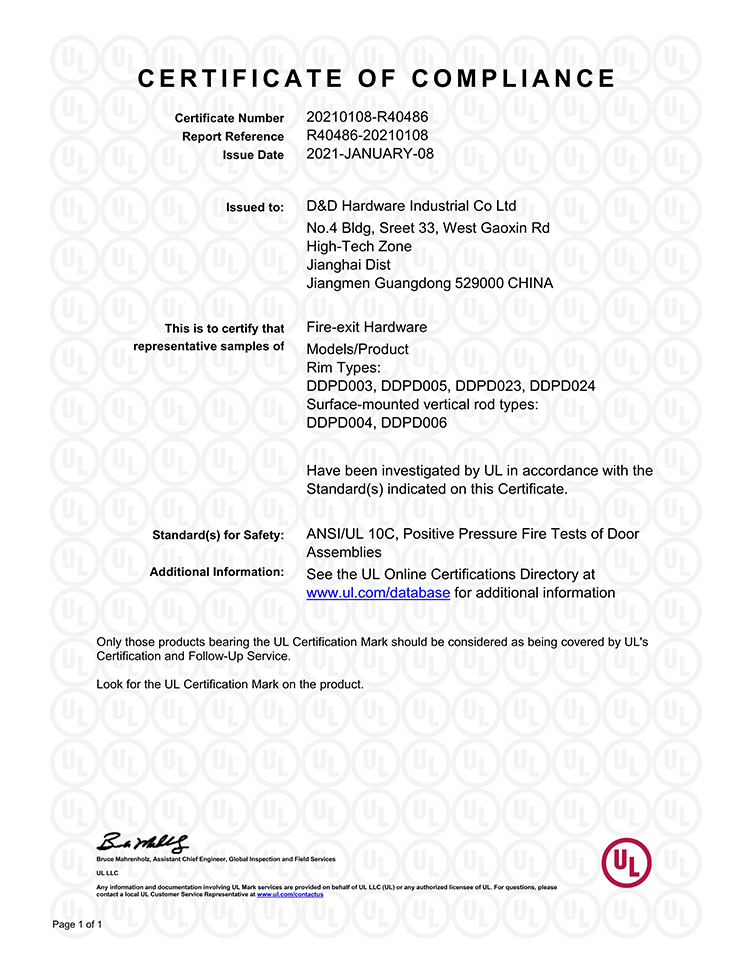
ANSI/BHMA Grade 1, NFPA 101, and UL 10C certificates
Elecpro HARDWARE – ANSI Exit Locks & 3D Invisible Hinges for Commercial Safety
ISO9001, ANSI, NFPA, UL | 20,000㎡ Factory | 70+ Countries | 5-Year Warranty