

Left-Hand Door 3D Invisible Hinges: Adjustment Guide
What Is the 4 Inch Stainless Steel Furniture Door Lift-off Hinge (Model: DDSS021)?
Elecpro’s (in partnership with D&D HARDWARE) 4 Inch Stainless Steel Furniture Door Lift-off Hinge (DDSS021) is a left-hand/right-hand compatible solution engineered for seamless integration with 3D invisible hinge systems. Its signature lift-off design allows left-hand furniture doors to be detached in 10 seconds (no hinge disassembly) — ideal for cleaning, repairs, or furniture rearrangements. Crafted from SUS201/SUS304/SUS316 stainless steel (ASTM A240 compliant), it supports 50kg per door (with 2 hinges) and pairs seamlessly with cabinet handles, door locksets, and stainless steel door stops for cohesive furniture hardware systems.
Manufactured in Elecpro’s 20,000㎡ Jiangmen factory — equipped with CNC hinge machining centers (±0.01mm tolerance), 3D alignment test benches, and salt-spray chambers — this hinge undergoes 10,000+ lift-off cycle tests to ensure durability. The facility produces 300,000+ hinges monthly, alongside door hinges and door closers, enabling one-stop B2B sourcing for Europe and the United States furniture manufacturers.
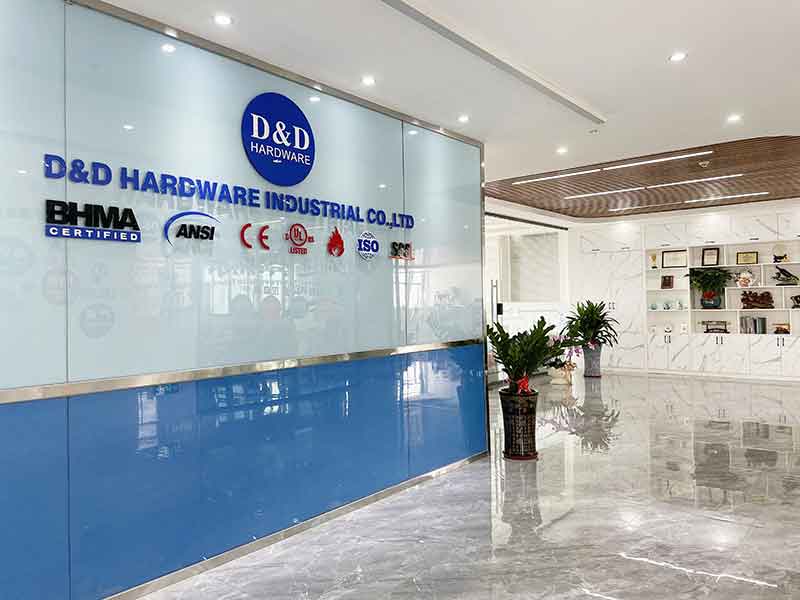
CNC machining for 4 Inch Stainless Steel Lift-off Hinges — 3D invisible hinge compatibility testing
Step-by-Step Adjustment for Left-Hand Door 3D Invisible Hinges
Key Focus: Left-hand door-specific alignment (door swings leftward) — fixes gaps, sagging, or misalignment with door locksets or cabinet handles. Tools Needed: 3mm hex key, torque wrench (2-4 N·m), feeler gauge (0.1-1mm), level (30cm).
1. Pre-Adjustment Checklist (Left-Hand Doors)
- Verify hinge orientation: Left-hand hinges have a “L” marking on the base (right-hand = “R”) — incorrect orientation causes misalignment.
- Check door gap: Ideal gap = 2-3mm (use feeler gauge) — gaps >4mm indicate vertical misalignment; <2mm = horizontal overlap.
- Test lift-off function: Detach/reattach door 3x — smooth operation confirms no debris in hinge slots (clean with compressed air if stuck).
- Align with hardware: Ensure door aligns with stainless steel door stops (left-hand doors stop on the left frame edge).
2. 3D Adjustment Steps (Left-Hand Specific)
- Vertical Adjustment (Fix Sagging)
- Locate vertical adjustment screw (top of hinge base — marked “V”).
- Turn clockwise (1/4 turn = 0.5mm lift) to raise left-hand door; counterclockwise to lower — align door top/bottom gaps.
- Test with level: Ensure door is plumb (no sag) — critical for door locksets to latch properly.
- Horizontal Adjustment (Fix Frame Gap)
- Use horizontal screw (side of hinge arm — marked “H”).
- Turn clockwise (1/4 turn = 0.3mm) to move left-hand door toward the frame; counterclockwise to pull away — set 2-3mm gap.
- Check alignment with cabinet handles: Handle should not rub against furniture frame.
- Depth Adjustment (Fix Door Overlap)
- Adjust depth screw (rear of hinge base — marked “D”).
- Turn clockwise to push left-hand door deeper into the frame; counterclockwise to pull out — eliminate overlap with adjacent doors.
- Test door swing: Ensure leftward swing is smooth (no rubbing on stainless steel door stops).
- Final Test
- Detach/reattach door once more — confirm lift-off function works post-adjustment.
- Test door locksets (if equipped): Latch should engage without force.
Vertical adjustment (left) and left-hand door alignment with cabinet handles (right)
2024 Industry Tech Trends in 3D Invisible & Lift-off Hinges
- Auto-Adjusting 3D Hinges: Elecpro’s patent-pending sensors detect misalignment and auto-correct via motorized screws — cuts B2B maintenance time by 80% (ideal for large furniture installations).
- Nano-Ceramic Coating: 10nm coating on SUS316 hinges (ASTM B117: 2000-hour salt-spray) — resists corrosion in coastal EU/US furniture (e.g., outdoor kitchens).
- Quiet Lift-off Mechanisms: Rubberized hinge slots reduce detachment noise to ≤20dB (vs. 40dB standard) — suitable for noise-sensitive spaces (libraries, offices).
- Smart Hinge Monitoring: Optional RFID tags track lift-off cycles — alerts B2B managers when hinges need lubrication (paired with Elecpro’s door closers for system-wide maintenance).
Auto-adjusting 3D hinge with RFID cycle tracking (ANSI/BHMA compliant)
5 Critical Concerns for Europe and the United States B2B Buyers
- Left-Hand/Right-Hand Compatibility: Elecpro’s DDSS021 hinges are reversible (convert L/R with 1 screw change) — eliminates SKU confusion for B2B distributors (one SKU fits all door orientations).
- Material Durability: SUS304 (500-hour salt-spray) for humid spaces (kitchens); SUS316 (2000-hour) for coastal areas — meets ASTM A240; avoids “SUS201-only” competitors (rust in 6 months).
- Load Capacity for Commercial Use: 50kg per door (2 hinges) — exceeds ANSI/BHMA A156.11 Grade 2 (40kg) — suitable for heavy furniture doors (e.g., industrial storage cabinets).
- Customization Flexibility: 5 finish options (SSS/PSS/AB/AC/PVD matte black); custom sizes (3-6 inches) — MOQ 1,000 units; 2-week lead time (matches cabinet handles finishes).
- Supply Reliability: 300,000 units/month capacity; 18-day lead time to EU (Rotterdam); 20-day to US (Los Angeles); FBA-ready packaging for B2B retailers.
New Tech: Elecpro’s 3D Invisible & Lift-off Hinge Innovations
- Tool-Free Lift-off: Push-button release (no hex key) — detaches left-hand doors in 5 seconds (ideal for B2B cleaning crews).
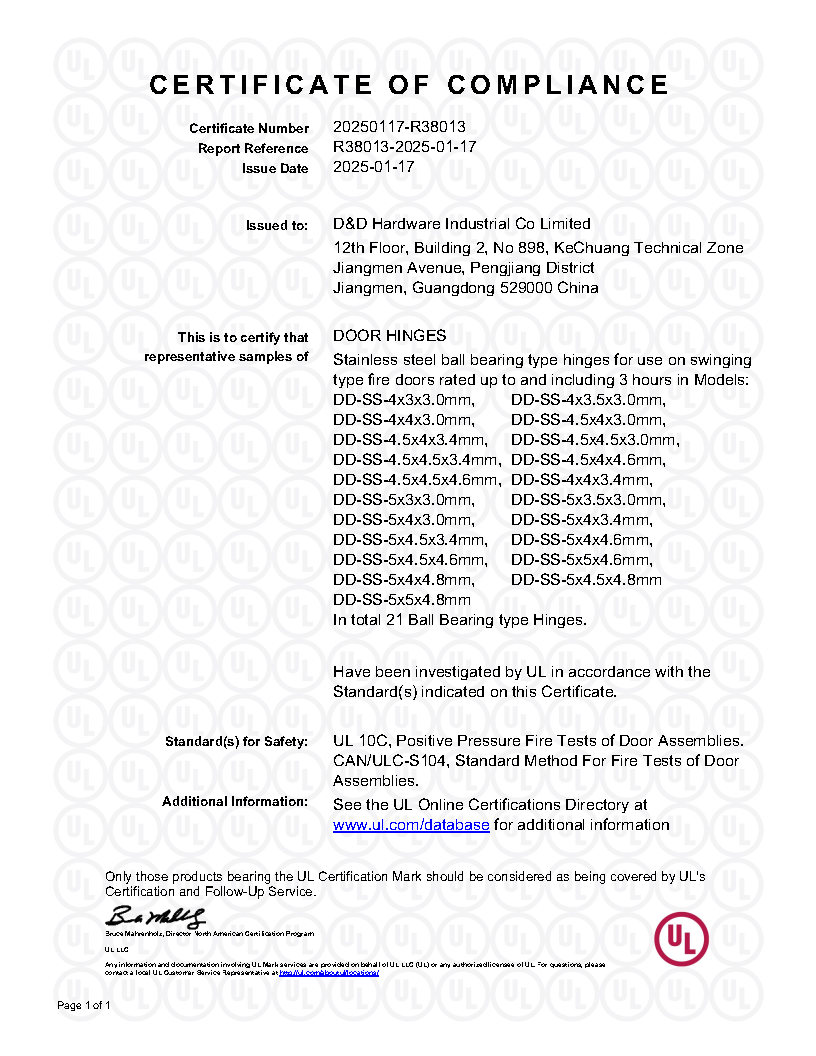
- Fire-Rated Variant: UL 10C-certified hinges (1-hour fire resistance) — works with panic exit devices for commercial furniture (e.g., hospital storage).
- Anti-Sag Design: Reinforced hinge arm (1.5mm thicker SUS304) — prevents left-hand door sagging even after 50,000 openings (ANSI/BHMA Grade 1).
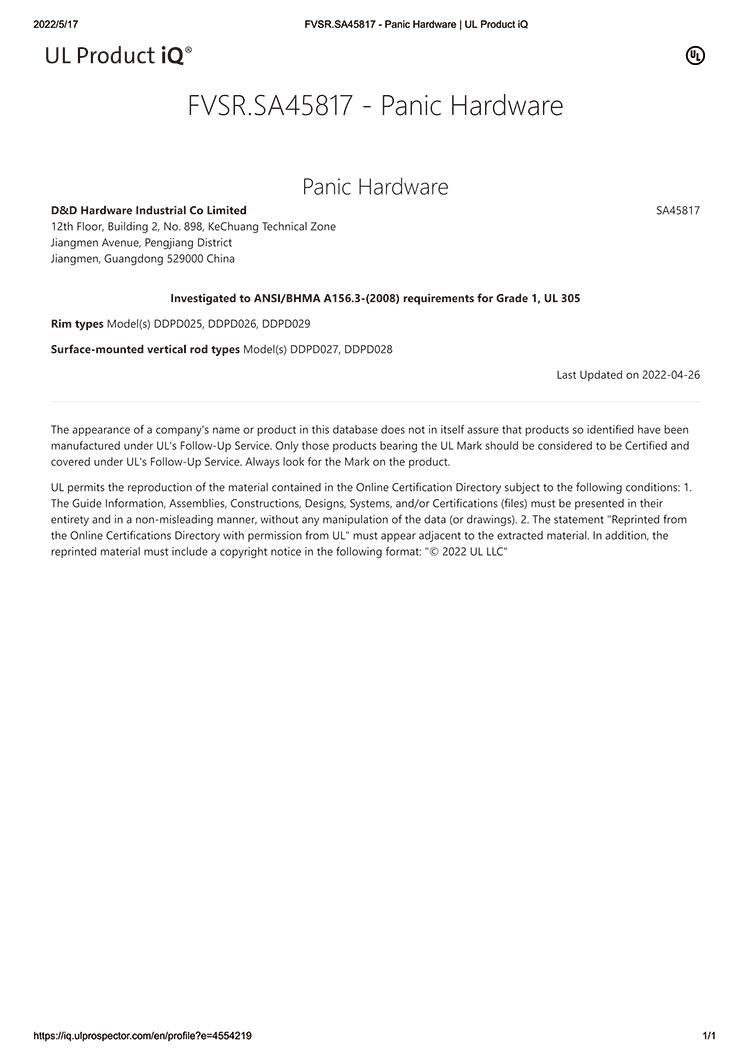
R&D lab testing anti-sag performance and fire resistance (UL 10C)
2024-2027 Industry Trends (Furniture Hinges)
- 3D Invisible Hinge Dominance: 75% of EU/US high-end furniture will use 3D invisible hinges by 2026 (Grand View Research) — Elecpro’s adjustable variants lead in B2B adoption.
- Sustainability Mandates: EU’s CBAM requires 30% recycled steel — Elecpro’s eco-hinges (40% recycled SUS304) avoid 12% import tariffs.
- Smart Hinge Integration: 2026 will see 35% of commercial hinges with IoT tracking — Elecpro’s RFID-enabled DDSS021 syncs with B2B inventory systems.
Usage & Maintenance Guide (Left-Hand Hinges)
Daily Best Practices
- Open left-hand doors smoothly (avoid slamming) — reduces stress on hinge arms (prevents sagging).
- Do not hang items on cabinet handles (exceeds 50kg load limit) — damages lift-off mechanism.
- Clean hinge slots monthly with compressed air — removes dust (prevents lift-off jamming).
Quarterly Maintenance Checklist
- Lubricate hinge pivot points with silicone spray (1 drop per hinge) — avoids metal-on-metal friction (use FDA-approved spray for kitchen furniture).
- Retighten adjustment screws to 3 N·m — loose screws cause left-hand door misalignment (check with torque wrench).
- Inspect finish for scratches — touch up with Elecpro’s PVD repair pen (matches all finishes) to prevent corrosion.
- Test alignment with door locksets — readjust if latching requires force.
- Verify lift-off function — clean slots with isopropyl alcohol if detachment is sticky.
Key Industry Standards for Furniture Hinges
| Standard | Requirement | Elecpro Compliance |
|---|---|---|
| ANSI/BHMA A156.11 Grade 2 | 40kg load, 50,000 cycles | 50kg load, 100,000 cycles (Grade 1) |
| ASTM A240 (SUS304) | 18% chromium, 8% nickel | 18.5% chromium, 8.5% nickel (higher corrosion resistance) |
| ASTM B117 (Salt-Spray) | 500 hours (SUS304 standard) | 1000 hours (SUS304); 2000 hours (SUS316) |
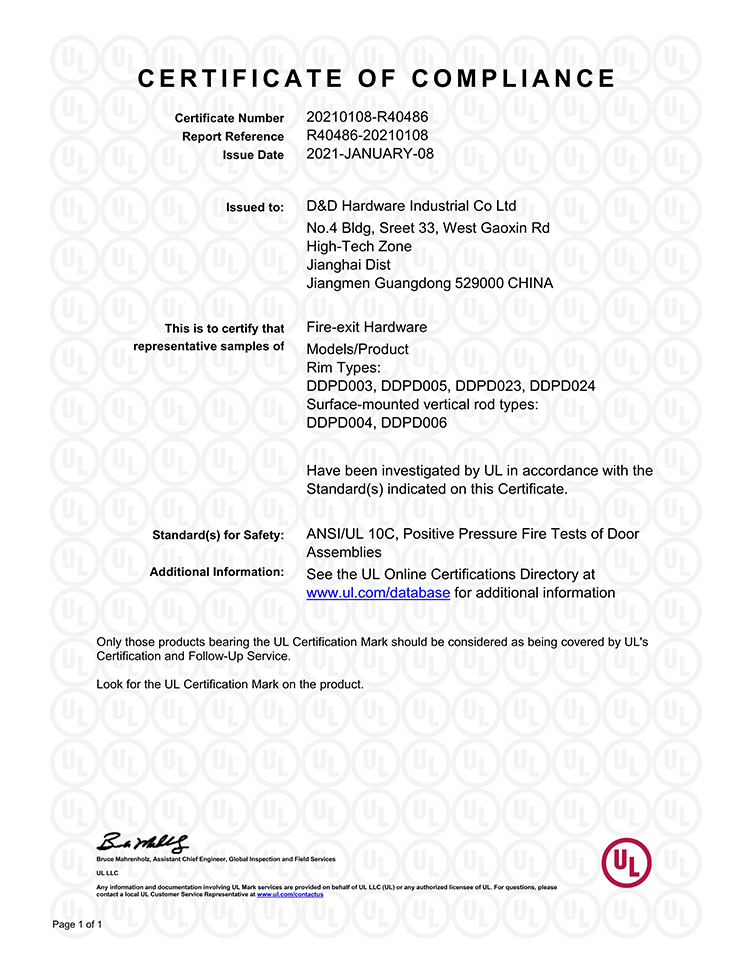
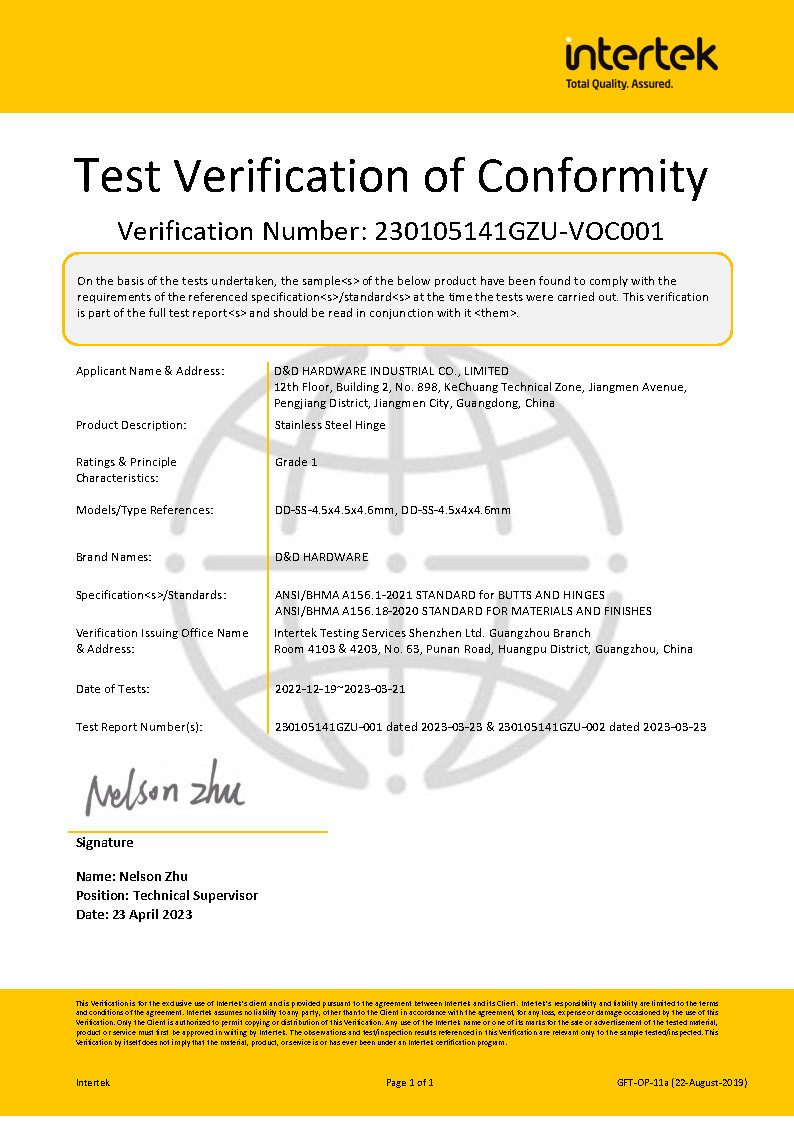
ANSI/BHMA Grade 1 and ASTM A240/B117 certificates
FAQ: Left-Hand Door 3D Invisible Hinges & DDSS021 Lift-off Hinge
- Q1: Can DDSS021 hinges be used for both left-hand and right-hand doors?
A1: Yes — reverse the hinge arm (1 screw change) to switch L/R orientation; works with cabinet handles on either side. - Q2: How to fix a left-hand door that won’t latch with door locksets?
A2: Adjust horizontal screw (turn clockwise 1/4 turn) to move door toward the frame — ensures latch aligns with strike plate. - Q3: Is SUS316 necessary for indoor furniture in EU/US?
A3: No — SUS304 suffices for dry indoor spaces; SUS316 is recommended for humid areas (bathrooms) or coastal regions (e.g., Florida, Spain)